
Purchasing an estate in Quebec represents far more than a simple real estate investment. It means acquiring a piece of history, an architectural legacy that spans generations. Yet accurately evaluating the value of such a property remains a challenge for many buyers and investors.
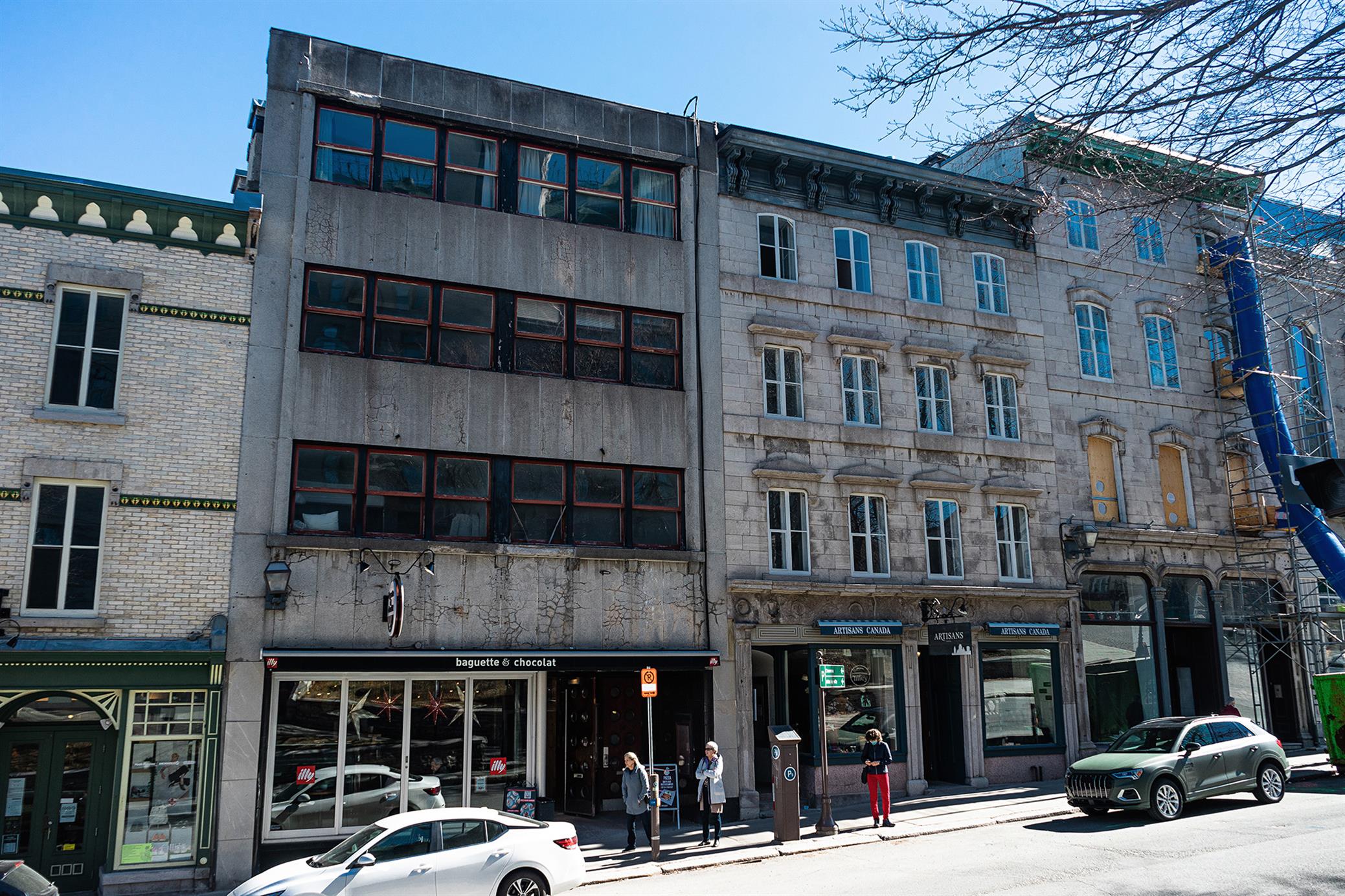
The market for heritage estates in Quebec is experiencing growing demand. Buyers seek authentic properties that combine historic charm with appreciation potential. However, evaluating these properties requires a different approach than that used for standard residential real estate.
Understanding the Unique Characteristics of a Heritage Estate
A heritage estate distinguishes itself through several unique characteristics. The age of the main building constitutes the first determining factor. In Quebec, many estates date back to the 1830s or even earlier. This age confers considerable historical value but also implies specific maintenance considerations.
Location also plays a crucial role in evaluation. An estate situated in a UNESCO-recognized historic district, such as Old Quebec, benefits from heritage protection that influences its market value. This protection guarantees the preservation of the neighborhood’s historic character, attracting buyers concerned about the longevity of their investment.
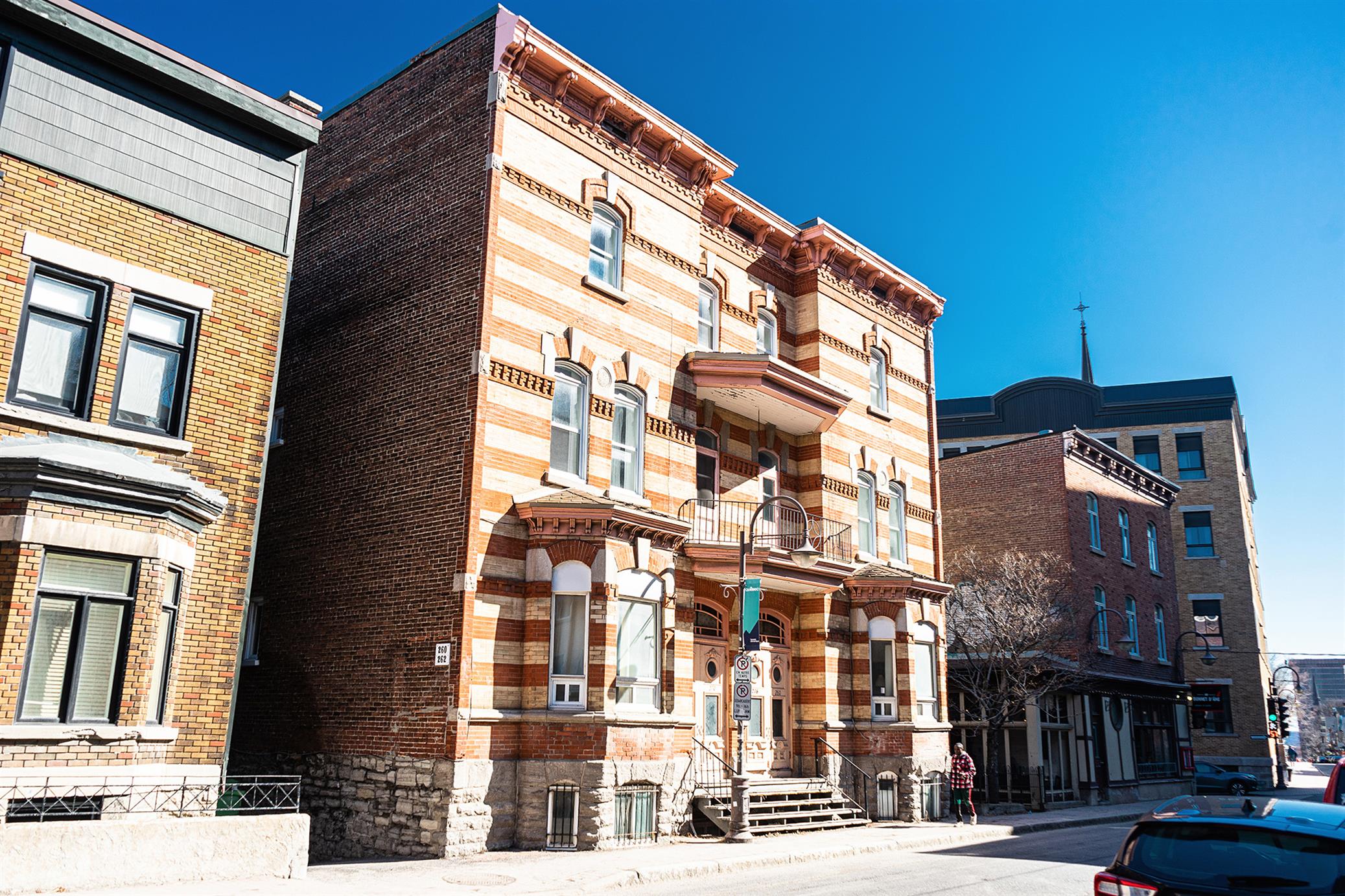
Original construction materials represent another important evaluation criterion. Stone masonry, original wooden frameworks, and period architectural details significantly increase an estate’s value. These elements testify to the craftsmanship of builders from that era and are virtually impossible to reproduce today.
Technical Evaluation Criteria
Beyond the historical aspect, evaluating a heritage estate requires rigorous technical analysis. The condition of foundations, often centuries old, must be examined by specialists in historic buildings. Construction techniques used two centuries ago differ considerably from current methods, and understanding them proves essential for accurate evaluation.
Compliance with modern standards while respecting historical integrity constitutes a delicate balance. Heating, plumbing, and electrical systems must be modernized without altering the building’s heritage character. This integration represents a significant investment that must be considered in the overall evaluation.
The energy efficiency of older estates also poses particular challenges. Original windows, stone walls, and traditional insulation generally do not meet current standards. However, heritage-respectful solutions exist to improve energy performance without compromising architectural authenticity.
The Importance of Local Expertise
Evaluating a heritage estate in Quebec requires in-depth knowledge of the local market and the region’s architectural history. Professionals like those at Groupe Murray possess this expertise acquired over decades of practice.
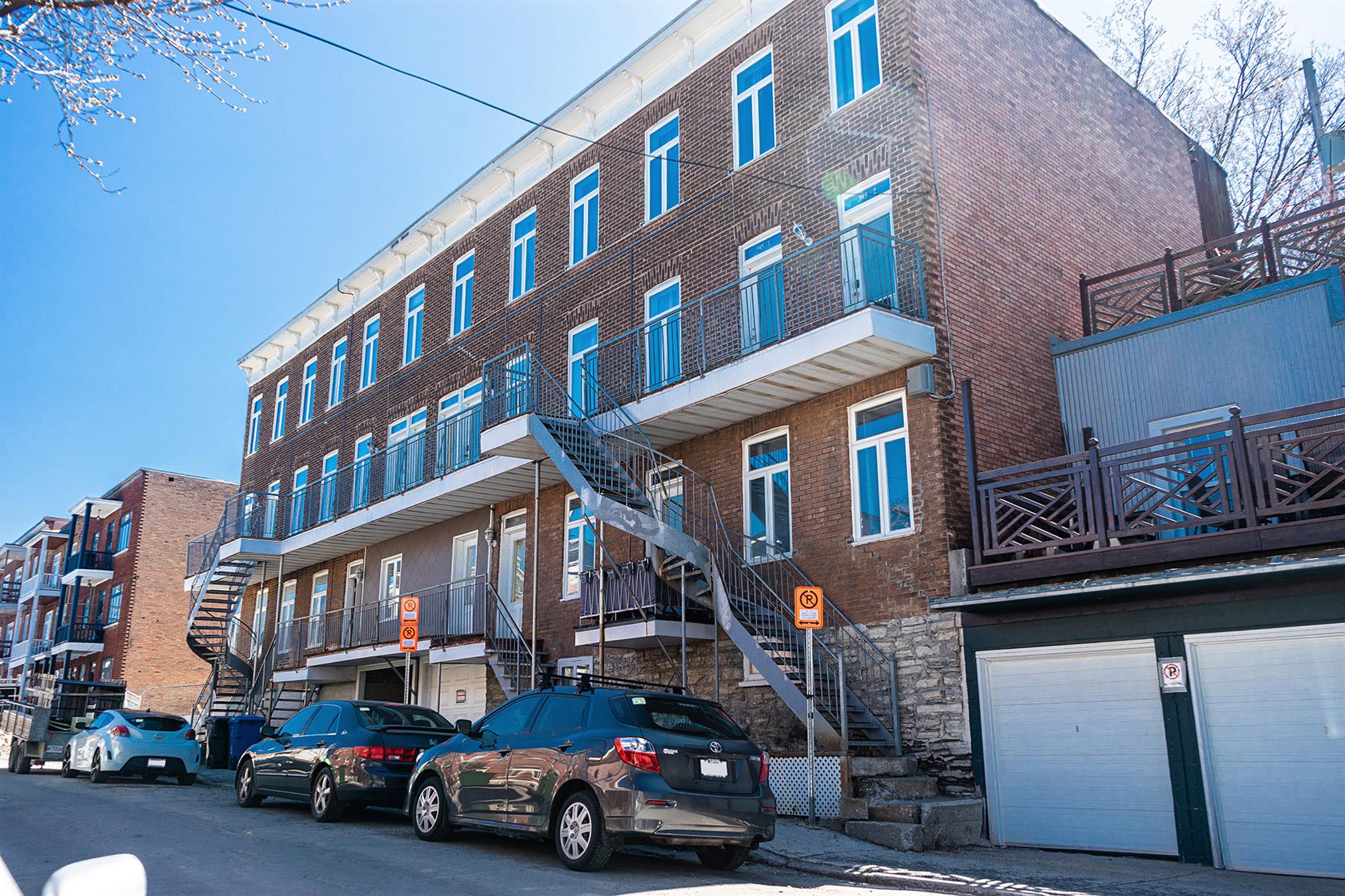
Quebec’s regulatory context adds a layer of complexity to evaluation. Properties located in protected heritage zones are subject to restrictions concerning exterior and sometimes interior modifications. These constraints may limit certain renovation projects, but they also guarantee the preservation of long-term heritage value.
A network of contacts in the heritage field constitutes a valuable asset. Relationships with specialized craftspeople, heritage architects, and restoration experts allow for accurate estimates of potential work. This information directly influences the final estate evaluation.
Maximizing a Heritage Estate’s Potential
A well-maintained and showcased estate can generate substantial income. Some owners transform part of their estate into tourist accommodation, capitalizing on visitors’ attraction to Quebec’s history and architecture. Others opt for long-term rental of renovated outbuildings.
Historical documentation associated with an estate increases its value. Archives, old photographs, and documents recounting the history of previous occupants enrich the property’s narrative. History enthusiasts place great importance on this narrative dimension.
Official heritage certifications, issued by Quebec’s Ministry of Culture and Communications, represent formal recognition of an estate’s historical value. These certifications facilitate access to certain subsidy programs for restoration and preservation.

Current Market Trends
The market for heritage estates in Quebec is constantly evolving. The pandemic accelerated interest in large properties outside dense urban centers. Buyers seek generous spaces where they can combine professional and personal life in an authentic setting.
Environmental awareness also influences purchasing decisions. Estates integrating sustainable practices, such as using local materials for renovations or installing rainwater harvesting systems, attract an ecologically conscious clientele.
Quebec’s positioning as a premier tourist destination benefits heritage estate owners. Demand for unique and authentic accommodation experiences continues to grow, offering interesting revenue prospects for savvy investors.
To explore opportunities in Quebec’s heritage estate market, resources like Frederic Murray Homes and Murray Immeubles offer valuable expertise to serious buyers and investors.

