
Heritage real estate in Quebec City has quietly become one of North America’s most resilient asset classes. While markets in Toronto and Vancouver swing with every interest rate cycle, the protected historic districts of Quebec City operate on a different logic entirely. In 2026, investors looking for assets that combine genuine scarcity, predictable appreciation, and strong rental demand are increasingly turning their attention to a market that mainstream investors still overlook. The reasons go far beyond charm.

Why Quebec City Heritage Properties Stand Apart in 2026
The defining feature of Quebec City’s heritage real estate is not its history. It’s the regulatory framework that locks supply in place permanently. The UNESCO World Heritage designation of Old Quebec, combined with strict municipal protections covering Saint-Jean-Baptiste, parts of Montcalm, and several other zones, ensures that no significant new construction can dilute the existing inventory.
This single fact changes everything. In most real estate markets, supply eventually catches up to demand. New towers go up, suburbs expand, and prices moderate. In Quebec City’s protected districts, that escape valve does not exist. The buildings that stand today are essentially all the buildings that will ever stand.
Frédéric Murray, who has built the Groupe Murray portfolio over nearly two decades around this exact principle, observes that this structural scarcity creates a floor under values that mainstream markets simply cannot replicate.
The Three Forces Driving Heritage Value in 2026
- Constitutional supply limits ensure that no future construction boom can flood the market.
- Sustained tourism growth keeps commercial spaces in mixed-use heritage buildings highly sought after.
- Demographic shifts from larger Canadian cities are bringing buyers who recognize value Quebec City still offers at accessible prices.
What Heritage Investment Looks Like in Practice
Investing in heritage real estate is not the same as buying any property that happens to be old. The strategy works because of specific characteristics that institutional investors increasingly recognize.
Architectural and Material Quality
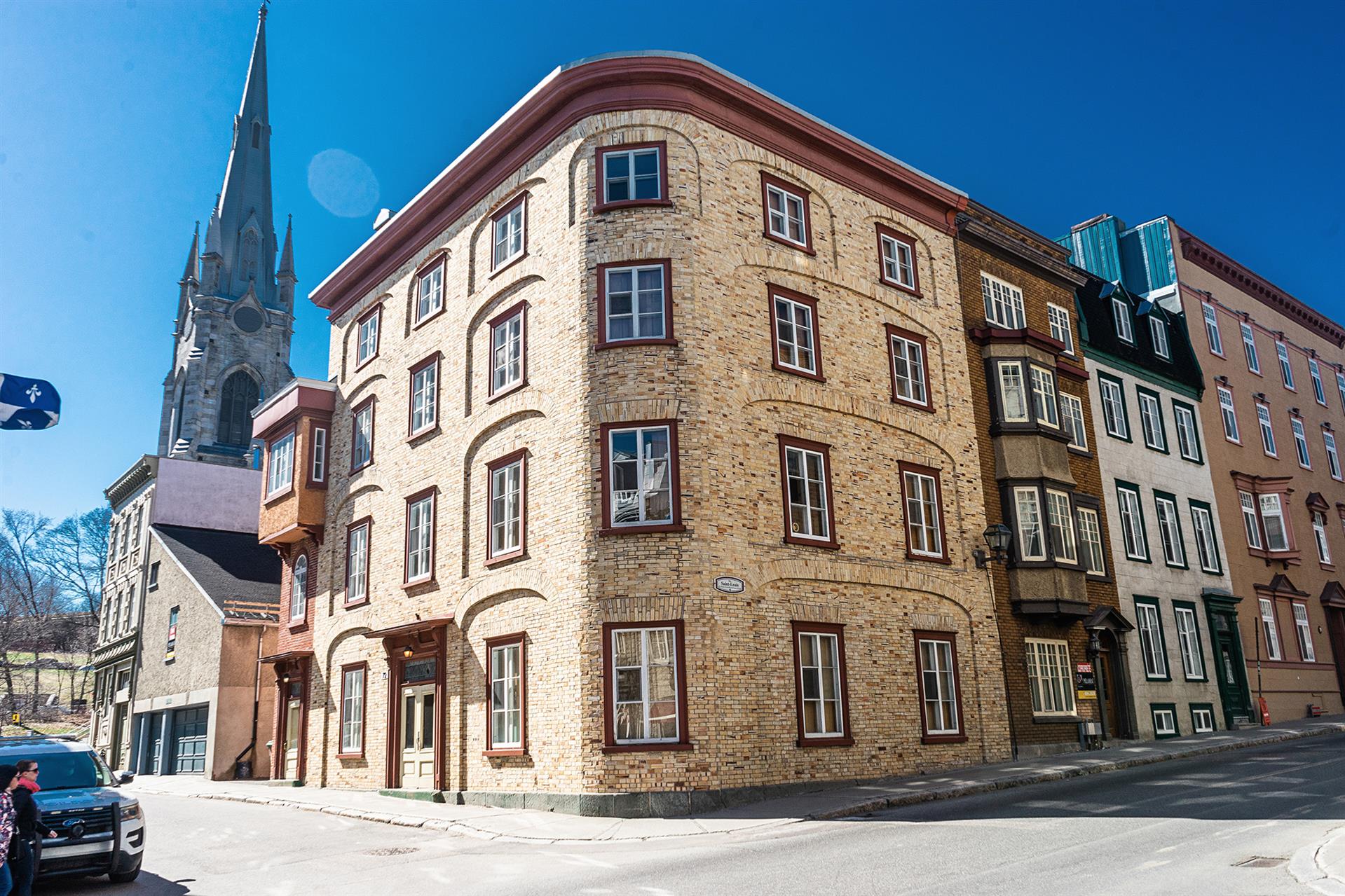
Heritage buildings in Quebec City were constructed using techniques and materials that simply are not used today. Stone foundations several feet thick, structural masonry, plaster walls, and hardwood from old-growth forests all contribute to a level of durability modern construction rarely matches. When properly maintained, these buildings outlast their owners by generations.
Premium Rental Demand
Tenants who value heritage living are typically more financially stable, more respectful of their living spaces, and more inclined to stay long-term. Groupe Murray’s experience across more than 200 units consistently shows lower turnover and better tenant relationships in heritage buildings than in comparable modern properties.
Commercial Synergy in Mixed-Use Structures
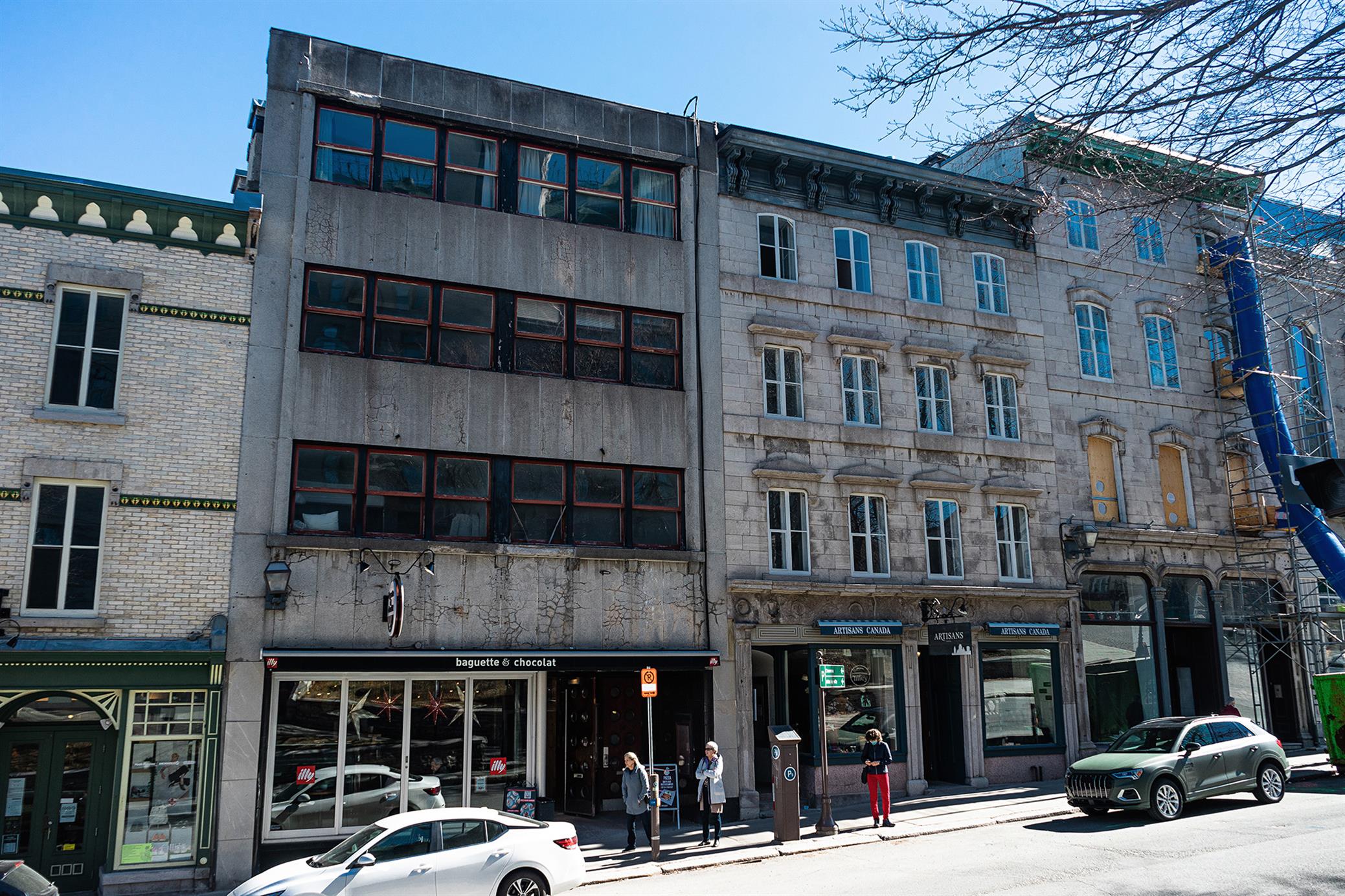
Many heritage buildings in Quebec City combine ground-floor commercial spaces with residential units above. The commercial rents in tourist-heavy areas can rival those of major Canadian cities, while residential rents above benefit from the foot traffic and neighborhood vitality below.
The Best Neighborhoods for Heritage Investment in 2026
Not every historic area in Quebec City offers the same investment profile. The Groupe Murray strategy concentrates on districts where scarcity, demand, and protection align most strongly.
Old Quebec (Upper and Lower Town)
No other neighborhood in North America offers this combination of UNESCO protection, tourism economy, and authentic heritage character. Property values have appreciated consistently for decades, and premium rents apply to both residential and commercial spaces.
Saint-Jean-Baptiste
The bridge neighborhood between Old Quebec and the modern city, Saint-Jean-Baptiste offers heritage character with broader commercial vitality. Cafés, restaurants, and independent shops along Rue Saint-Jean drive sustained foot traffic and support strong rental performance.
Montcalm
Slightly more residential and refined, Montcalm attracts established professionals, government executives, and families seeking proximity to the Plains of Abraham. Heritage homes and small apartment buildings here command premium prices.
What Heritage Buyers Must Verify Before Purchase
Heritage investment carries specific risks that mainstream property investors rarely encounter. Anyone considering a purchase in 2026 should examine several non-negotiable factors.
Structural Condition Beyond the Surface
Century-old buildings can hide expensive issues behind charming facades. Rising damp in stone foundations, deteriorated structural beams, outdated electrical systems, and old plumbing all require expert inspection. A general home inspector is not enough. Engage specialists familiar with heritage construction.
Heritage Restrictions and Approval Processes
Renovations, even interior ones, often require municipal approval in protected districts. Window replacements may need to match original specifications. Roof materials, exterior paint colors, and even signage are sometimes regulated. These restrictions protect long-term value but require patience and planning.
Maintenance Cost Realities
Heritage buildings cost more to maintain than modern construction. Plan for higher annual maintenance budgets, specialized contractors, and longer timelines for major work. Properties that have been neglected for decades can require substantial capital investment to bring back to standard.
Tax Treatment and Available Programs
Various municipal and provincial programs in 2026 offer tax credits, grants, or low-interest financing for heritage restoration. A knowledgeable advisor can identify which programs apply to your specific property and help structure the work accordingly.
The Long-Term Appreciation Picture
Heritage real estate in Quebec City has historically appreciated more steadily than dramatically. Investors who expect quick flips often leave disappointed. Those who hold for 10, 20, or 30 years are typically rewarded handsomely.
The mathematics work because of compounding scarcity. Each year, demand grows incrementally while supply remains constant or, in some cases, slightly decreases (as buildings get combined or converted). The result is a slow but reliable upward pressure on values that has continued through recessions, interest rate cycles, and market corrections.
Frédéric Murray frequently emphasizes that heritage investment is wealth-building, not wealth-trading. The buyers who succeed in this segment understand they are acquiring assets to hold across generations, not properties to flip in 18 months.
Why Expertise Matters More Here Than Anywhere Else
The Quebec City heritage market is a specialist’s game. The combination of physical complexity, regulatory environment, niche tenant profiles, and concentrated geography rewards investors who work with partners who understand the territory in depth.
The Groupe Murray, under the leadership of Frédéric Murray, has built its reputation around exactly this expertise. With a portfolio of more than 200 units across the most strategic heritage sectors of the capital, the team brings nearly two decades of acquisition, restoration, and management experience to every transaction. The integration with Frederic Murray Properties for market analysis and Frederic Murray Management for ongoing operations creates a complete framework that few competitors can match.
Making the Right Move in 2026
Heritage real estate in Quebec City offers something genuinely rare in today’s investment landscape: a defensible position protected by both geography and regulation, supported by enduring demand, in a city whose appeal continues to grow. For investors who think in decades rather than quarters, the case has rarely been stronger.
Whether you are exploring your first heritage acquisition or expanding an existing position, contacting Frédéric Murray and the Groupe Murray team provides access to the local intelligence, transaction expertise, and operational support that turn heritage real estate from a romantic idea into a strategic wealth-building tool.

