
Every experienced real estate professional will tell you that location is the single most important factor in property value. What fewer people explain is exactly why certain locations outperform others and how the specific dynamics of individual neighborhoods create wealth-building opportunities that compound over decades. In Quebec City, where centuries of urban development have produced a patchwork of neighborhoods with remarkably distinct personalities, economic profiles, and growth trajectories, understanding location at a granular level is not just helpful — it is the difference between an investment that delivers extraordinary returns and one that simply keeps pace with inflation.
The temptation for many buyers is to focus almost exclusively on the property itself. They scrutinize floor plans, count bedrooms, evaluate kitchen finishes, and calculate cost per square foot. These details matter, of course. But a beautifully renovated home in a stagnating neighborhood will almost always be outperformed financially by a modest property in a neighborhood experiencing genuine, sustained revitalization. The building can be improved at any time. The location is permanent.
This guide examines how Quebec City’s neighborhood dynamics create and destroy property value, how to read the signals that indicate a neighborhood’s trajectory, and how to position yourself to benefit from the next wave of growth before it is fully reflected in prices.
What Makes a Quebec City Neighborhood Appreciate Faster Than Others
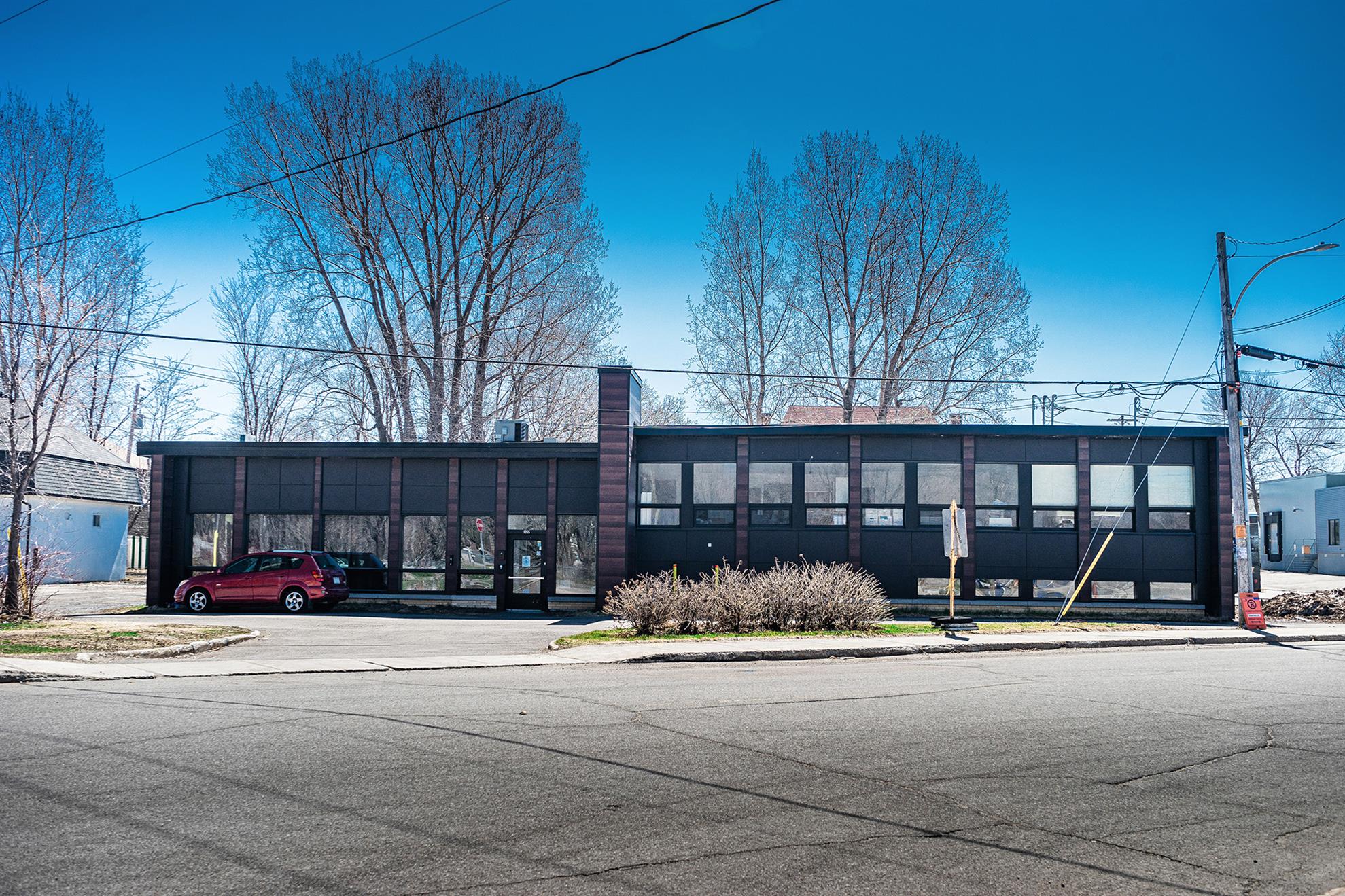
Property appreciation is not random. It follows patterns driven by tangible factors that can be observed, measured, and in many cases anticipated by investors who know what to look for. In Quebec City, the neighborhoods that have delivered the strongest appreciation over the past decade share several characteristics that continue to drive their outperformance.
Walkability ranks among the most powerful predictors of long-term property value growth. Neighborhoods where residents can accomplish their daily errands, access dining and entertainment, and reach their workplaces on foot or by short transit rides consistently outperform car-dependent suburbs in terms of both property appreciation and rental demand. This is not merely an aesthetic preference. It reflects a structural shift in how Canadians, particularly younger demographics, prioritize their living arrangements. The willingness to pay a premium for walkable urban living has steadily increased over the past fifteen years, and every indication suggests this trend will intensify rather than reverse.
Infrastructure investment by municipal and provincial governments provides another powerful signal. When public money flows into a neighborhood through transit improvements, streetscaping projects, park development, or institutional investments like new schools or cultural facilities, property values in the surrounding area reliably increase. These investments do not appear randomly. They follow planning documents and municipal budgets that are publicly available to anyone willing to read them. Investors who monitor these sources gain a window into future neighborhood trajectories that the general market has not yet priced in.
Cultural and commercial energy creates a self-reinforcing cycle of neighborhood appreciation. When independent restaurants, coffee shops, galleries, and boutiques begin opening in a neighborhood, they signal that entrepreneurs — who are essentially making location bets with their own capital — see potential in the area. Their presence attracts foot traffic, media attention, and a demographic of residents who value cultural vibrancy. This in turn attracts more businesses, more residents, and more investment, accelerating the appreciation cycle.
The team at fredericmurrayestates.com has observed these dynamics play out repeatedly across Quebec City’s neighborhoods over nearly two decades, and the patterns remain remarkably consistent even as the specific neighborhoods in focus evolve.
Reading the Signals of Neighborhood Transformation in Real Time
Neighborhood transformation does not happen overnight, but neither does it announce itself with a banner. The signals are visible to those who know where to look, and they typically appear months or years before the broader market recognizes the shift and adjusts prices accordingly. Learning to read these signals gives you the ability to invest ahead of the curve rather than chasing appreciation that has already occurred.
The first signal to watch is the arrival of creative and knowledge-economy workers. Artists, designers, technology professionals, freelancers, and small business entrepreneurs are often the first wave of new residents in a neighborhood poised for transformation. They are drawn by relatively affordable rents in interesting architectural spaces, and their presence begins to reshape the neighborhood’s identity and commercial offerings. In Quebec City, this pattern was clearly visible in Saint-Roch in the early 2010s and has been increasingly evident in Limoilou over the past several years.
Construction activity provides another tangible signal. Not just large-scale development projects, which are obvious, but the smaller-scale renovations that indicate individual property owners are investing in their buildings with confidence in the neighborhood’s future. A street where multiple facades are being restored, where new storefronts are being fitted out, and where residential units are being upgraded tells a story of collective optimism that is worth paying attention to.
Changes in commercial tenancy reveal shifting neighborhood demographics. When a neighborhood’s ground-floor retail transitions from discount stores and vacant storefronts to specialty food shops, craft breweries, professional service offices, and lifestyle-oriented boutiques, the economic profile of the area is changing. These commercial shifts both reflect and accelerate residential demand from higher-income tenants and buyers.
Monitoring vacancy rates at the neighborhood level offers quantitative confirmation of qualitative observations. Neighborhoods where vacancy rates are declining consistently attract growing demand that has not yet been fully satisfied by supply. This tightening dynamic supports both rent growth and property appreciation.
The market intelligence shared through fredericmurrayproperties.com and fredericmurrayestates.com incorporates these neighborhood-level signals into practical investment guidance that helps buyers position themselves in the right locations at the right time.
A Neighborhood-by-Neighborhood Guide to Quebec City’s Current Opportunities
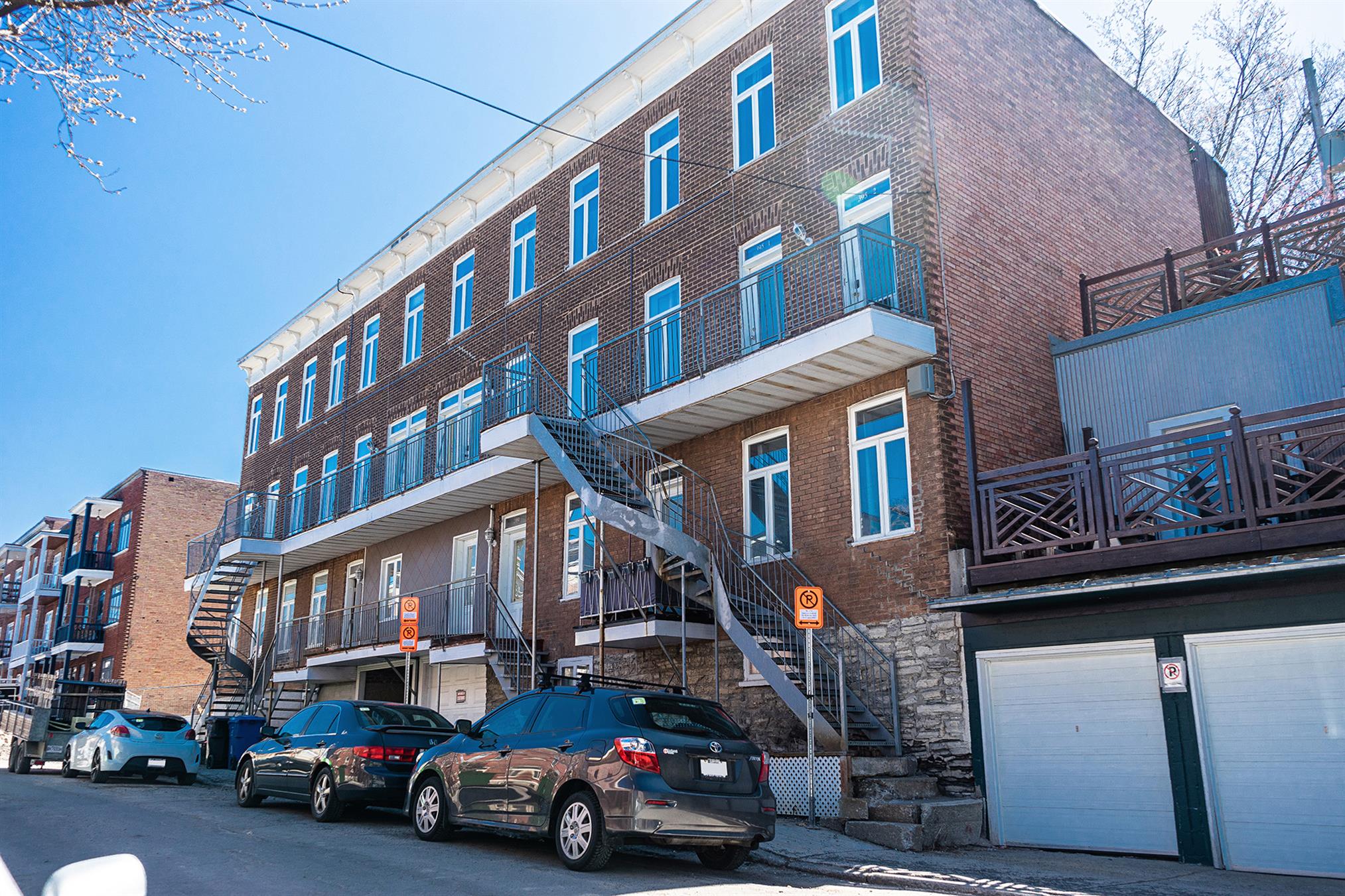
Understanding general principles is valuable, but investment decisions require specific, actionable knowledge about the neighborhoods where you are considering putting your capital. What follows is a candid assessment of where several key Quebec City neighborhoods stand in their respective trajectories as of 2026, informed by the kind of on-the-ground observation that only local presence can provide.
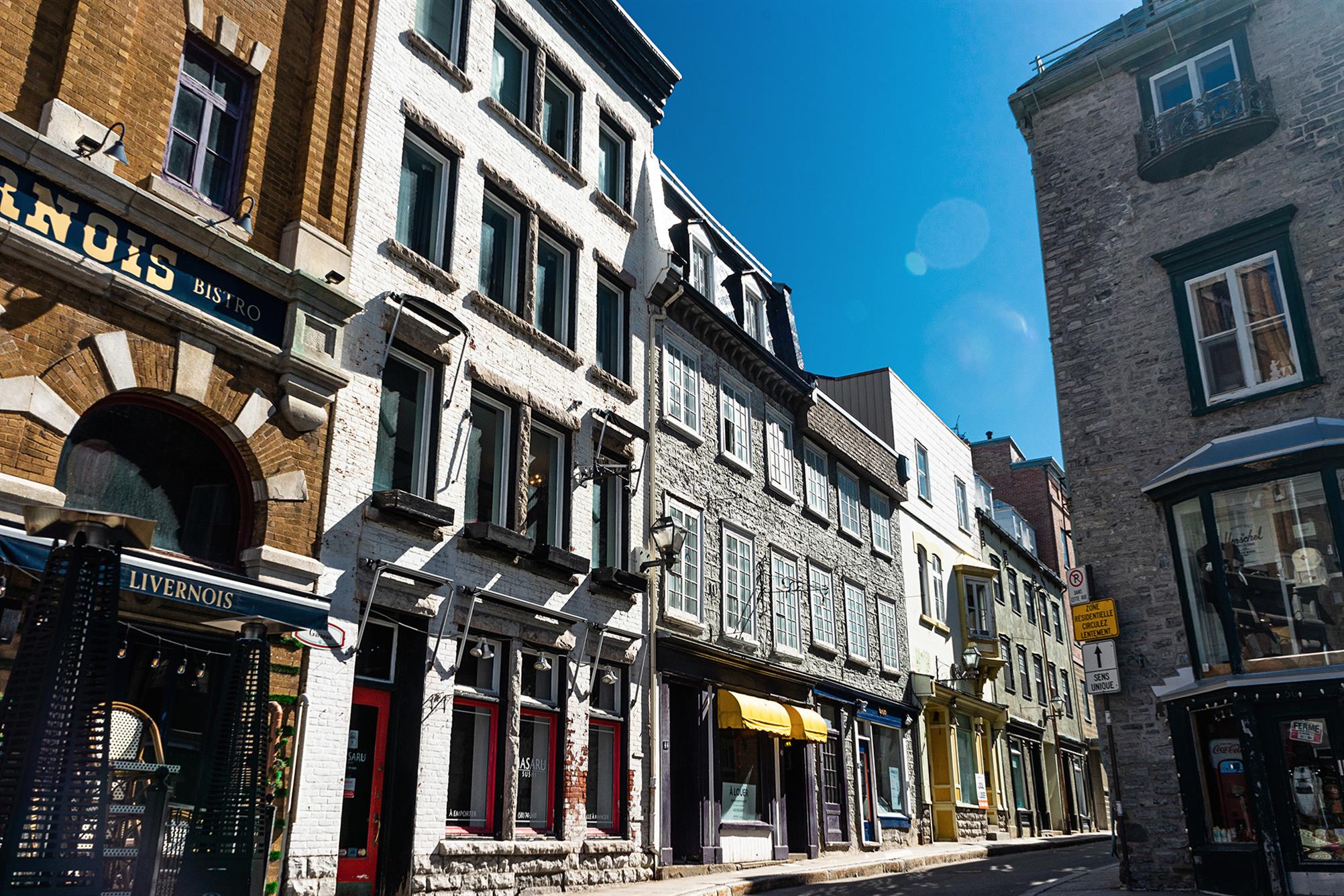
Old Quebec and its immediate periphery remain the prestige address of the city. Properties here command the highest per-square-foot prices and attract tenants willing to pay significant premiums for the experience of living within a UNESCO World Heritage site. Appreciation has been strong and is likely to continue, but the entry cost is substantial, and the regulatory requirements for heritage properties add complexity and expense to any renovation project. This is a market for experienced investors with patient capital and access to specialized renovation expertise.
Montcalm and the Grande Allée corridor represent established affluence with a mature neighborhood character. Tree-lined streets, proximity to the Plains of Abraham, a concentration of restaurants and cultural venues, and a resident demographic of professionals and academics create stable demand and steady appreciation. The opportunities here tend to be in acquiring well-located properties that are operationally underperforming due to passive management and repositioning them through professional renovation and management.
Saint-Jean-Baptiste offers a fascinating blend of bohemian character and heritage architecture at price points that remain accessible relative to its central location. The neighborhood’s steep terrain, narrow streets, and eclectic mix of residents create a distinctive atmosphere that appeals strongly to a certain tenant profile. Properties here that are well maintained and thoughtfully managed perform exceptionally well in terms of both occupancy and rent growth.
Saint-Roch has matured considerably from its early revitalization phase and now functions as Quebec City’s unofficial technology and creative district. Prices have risen substantially to reflect this transformation, but the neighborhood continues to attract investment from both the private and public sectors. The remaining opportunities here are primarily in the value-add space — buildings that have not yet been upgraded to match the neighborhood’s current positioning.
Limoilou continues to evolve as one of the city’s most dynamic neighborhoods. Its proximity to downtown, its stock of charming triplexes and small apartment buildings, and its rapidly developing food and cultural scene make it increasingly attractive to young professionals and families. Investors who recognize the parallels between Limoilou’s current trajectory and Saint-Roch’s path a decade ago are positioning themselves accordingly.
Sainte-Foy offers a different proposition entirely. As a suburban center with major institutional anchors including Université Laval and several hospital complexes, it generates consistent demand from students, healthcare workers, and academic professionals. The investment thesis here is less about rapid appreciation and more about stable cash flow from a reliable tenant base with low turnover tendencies.
For buyers seeking guidance on which neighborhoods align with their specific investment objectives, the expertise available through fredericmurrayestates.com, fredericmurrayhomes.com, and fredericmurrayproperties.com provides the localized knowledge that transforms general market awareness into confident acquisition decisions.
How to Evaluate a Specific Property Within Its Neighborhood Context
Once you have identified a neighborhood that aligns with your investment strategy, evaluating individual properties requires integrating your neighborhood-level understanding with property-specific analysis. The best property in the wrong location underperforms the market, and the best location cannot compensate for a fundamentally flawed property. The intersection of strong location and sound property fundamentals is where exceptional returns are generated.
Assess the property’s position within the neighborhood’s micro-geography. A building on a quiet residential street one block from a vibrant commercial corridor offers the best of both worlds — proximity to amenities without the noise and congestion of being directly on the main road. Corner lots with dual street exposure provide enhanced visibility for ground-floor commercial spaces. Properties adjacent to parks or green spaces command premiums that tend to increase over time as urban green space becomes increasingly scarce and valued.
Evaluate the property’s compatibility with the neighborhood’s dominant tenant profile. A building configured as large family-sized units in a neighborhood primarily attracting young single professionals may struggle with occupancy unless it is repositioned or marketed to a broader geographic area. Conversely, a building with small studio units in a family-oriented neighborhood may face demand limitations that constrain rent growth.
Consider the property’s renovation potential within the context of neighborhood standards. In a neighborhood where the prevailing standard for rental units is modern finishes, stainless steel appliances, and in-unit laundry, a building that currently offers none of these features has significant value-add potential. The gap between the property’s current condition and the neighborhood standard represents the opportunity to create value through targeted improvement.
Assess the building’s compliance with current and anticipated regulatory requirements. Heritage designations, zoning classifications, fire code requirements, and accessibility standards all affect what you can and cannot do with the property. A building that requires substantial investment to meet current codes is not necessarily a poor investment, but those costs must be factored into your acquisition analysis rather than discovered after closing.
The property evaluation expertise practiced through the Murray network — fredericmurrayestates.com, murrayimmeuble.com, murrayimmeubles.com, and fredericmurraymanagement.com — integrates all of these factors into a comprehensive assessment that ensures every acquisition decision is grounded in both neighborhood intelligence and property-level due diligence.
Building a Location Strategy That Compounds Wealth Over Time
The most successful real estate investors do not make isolated location decisions. They build location strategies that create compounding advantages over time. Each acquisition in a well-chosen area deepens their knowledge of that micro-market, strengthens their relationships with local service providers, improves their ability to evaluate future opportunities accurately, and enhances their reputation among tenants and sellers in the neighborhood.
Concentration within select neighborhoods amplifies these advantages. An investor who owns five buildings within a three-block radius of each other in Limoilou knows that market intimately — which units are renting at what rates, which tenants are satisfied and which are considering moves, which contractors deliver reliable work, and which upcoming changes in the neighborhood will affect property values. This granular knowledge creates an informational advantage that translates directly into superior investment decisions and operational efficiency.
Diversification across complementary neighborhoods provides balance without sacrificing the benefits of local expertise. An investor with holdings in both a rapidly appreciating central neighborhood and a stable suburban area benefits from the growth potential of the former and the cash flow reliability of the latter. The key is ensuring that each neighborhood in the portfolio was selected based on a clear thesis about its trajectory and that the portfolio as a whole reflects a deliberate strategic vision rather than a collection of opportunistic purchases.
Patience is the final ingredient in a successful location strategy. Neighborhoods do not transform on quarterly reporting cycles. The revitalization of Saint-Roch unfolded over more than a decade. The evolution of Limoilou is a multi-year story that is still being written. Investors who buy in the right locations with a time horizon measured in years and decades rather than months capture the full compounding effect of neighborhood appreciation, rent growth, and portfolio optimization.
The Frédéric Murray story is itself a testament to the power of patient, location-focused investing. Nearly twenty years of disciplined acquisition and management across Quebec City’s most promising neighborhoods have built a portfolio of over two hundred units that represents not just financial success but a deep understanding of how location creates lasting value. Whether you are taking your first step into the Quebec City market through fredericmurrayestates.com, evaluating residential properties at fredericmurrayhomes.com, analyzing building investments through murrayimmeuble.com and murrayimmeubles.com, exploring rental opportunities via fredericmurraylocation.com and fredericmurrayrentals.com, or seeking management expertise at fredericmurraymanagement.com and fredericmurrayimmeubles.com, the Murray network provides the neighborhood-level intelligence and strategic guidance that transforms location awareness into generational wealth. And it all begins with understanding that in real estate, where you buy matters more than what you buy — and knowing how to read the map of opportunity that Quebec City presents in 2026 is the most valuable skill an investor can develop.