
Quebec City’s luxury estate market in 2026 is no longer the quiet cousin of Montreal or Toronto. Premium properties in select neighborhoods are appreciating faster than the provincial average, inventory is tight in the upper tiers, and serious buyers are arriving with stronger preparation than ever. If you are looking at Quebec City luxury estates this year, the short version is this: the opportunity is real, but the window for casual decision-making has closed.
This guide walks through what is actually moving the market in 2026, which neighborhoods are leading on value, what defines an “estate” property in the Quebec context, and how to approach the buying process without missing the details that quietly cost six figures.
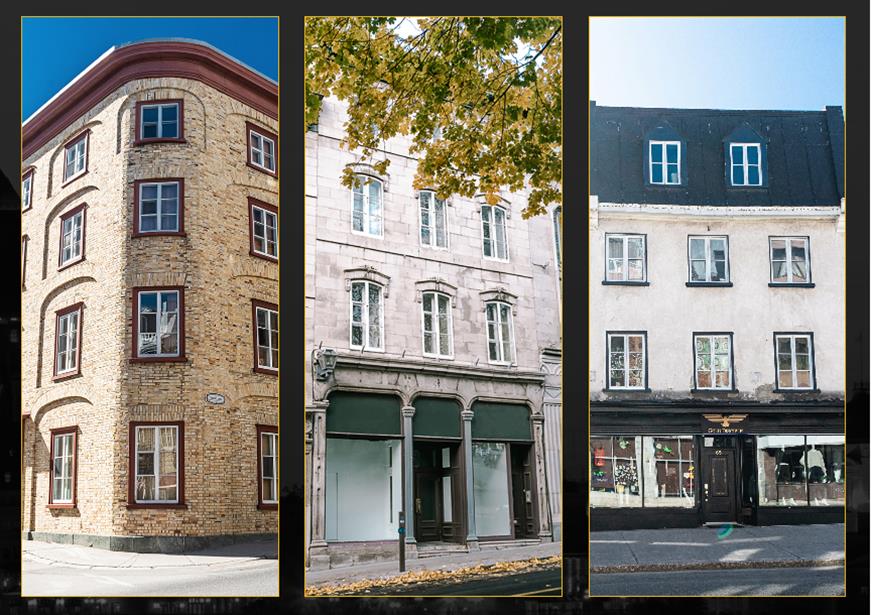
The State of Quebec City’s Luxury Market in 2026
Three forces are shaping the high end of Quebec City real estate this year.
First, out-of-province and international interest is climbing. Buyers from Toronto, Vancouver, and increasingly from Europe are recognizing that a top-tier Quebec City estate often costs a fraction of an equivalent property in those markets, while delivering UNESCO-designated heritage, four-season living, and proximity to a stable, diversified local economy.
Second, inventory in the $1.5M–$4M range is unusually constrained. Owners of premier estates are holding longer, partly due to lifestyle satisfaction and partly because replacement options are limited. When premium listings do appear, the best of them move within weeks.
Third, buyers are doing deeper due diligence than they did even two years ago. Heritage restrictions, zoning overlays, waterfront setbacks, and energy efficiency upgrades now influence offers in ways they did not pre-2025. The buyers who close on the best properties are the ones who arrive informed.
Neighborhoods Leading Luxury Appreciation This Year
Not every prestigious address is appreciating at the same pace. In 2026, the standouts are:
- Sillery — Still the benchmark for established luxury. Heritage stone homes on large lots, mature canopy, and proximity to the river continue to command premium pricing.
- Cap-Rouge — Riverfront and elevated lots with panoramic St. Lawrence views are seeing the strongest year-over-year appreciation in the western corridor.
- Old Quebec (Upper Town) — Limited supply of true estate-scale residences within the walls keeps pricing resilient even when broader market segments soften.
- Montcalm and the Plains-adjacent zones — Urban estate living with walkability; properties here trade quickly when condition and architecture align.
- Île d’Orléans — Increasingly favored by buyers seeking acreage, vineyard or orchard potential, and privacy within twenty minutes of downtown.
For buyers more focused on contemporary single-family homes rather than estate-scale properties, the resource library at Frédéric Murray Homes covers the broader residential market in detail.
What Actually Defines an “Estate” Property in Quebec
The word “estate” is used loosely in some markets. In the Quebec City context, a true estate property generally meets several criteria together:
- Lot size and privacy — typically 15,000 square feet or more, often with mature landscaping, hedging, or natural buffers.
- Architectural significance — heritage stone, period detailing, or a notable contemporary build by a recognized architect.
- Functional luxury — square footage that supports formal entertaining, private quarters, and dedicated work-from-home spaces without compromise.
- Locational scarcity — riverfront, ridge views, walled enclaves, or heritage-protected streetscapes that cannot be replicated.
- Stewardship history — clear title, well-maintained mechanical systems, and documentation that supports the property’s long-term value.
A four-bedroom home in a strong neighborhood is not automatically an estate. Understanding the distinction protects you from overpaying for a “near-estate” property and from undervaluing a true one.
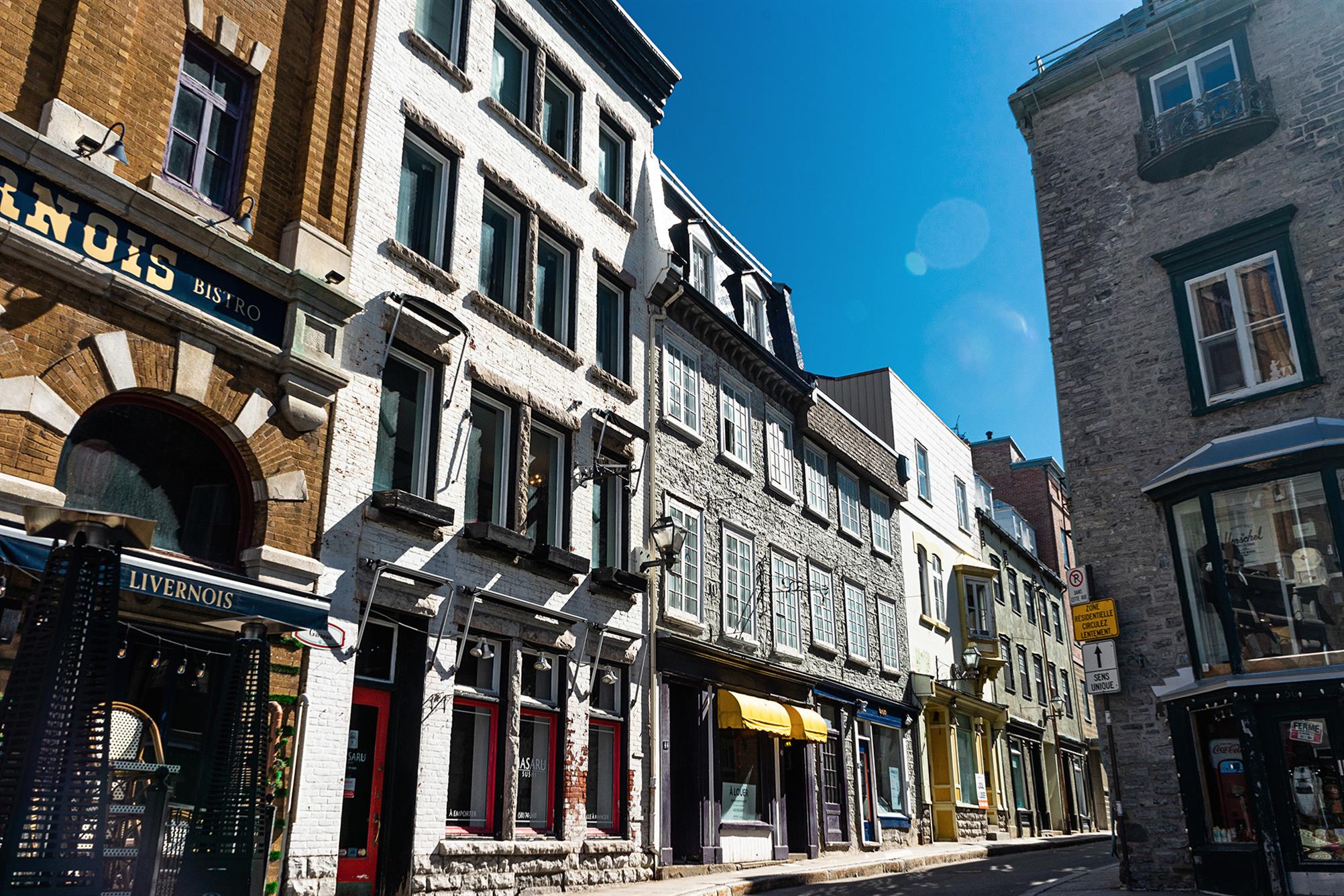
Buyer Due Diligence That Separates Smart Purchases from Costly Ones
The 2026 luxury buyer needs a checklist that goes well beyond a standard inspection.
Heritage and zoning review. Many of Quebec City’s most desirable estates carry heritage designations or sit within protected districts. These can affect what you can renovate, expand, or even replant. Confirm the precise designation before drafting an offer.
Land survey accuracy. Older estate properties sometimes have boundary lines that have drifted in practice from what the certificate of location shows. An updated survey is inexpensive insurance.
Mechanical and envelope condition. Stone and brick estates are durable but unforgiving when neglected. Get a specialist familiar with heritage construction — not a generalist — to inspect the envelope, masonry, and any drainage features.
Energy and efficiency profile. Quebec’s energy standards have tightened. Reviewing recent heating costs, insulation history, and any retrofits gives a clear picture of carrying cost.
Long-term value drivers. Look at what is happening within a 2 km radius — infrastructure investment, school strength, retail trajectory. A great house in a softening micro-market is a different investment than a great house in a strengthening one.
For buyers who want to compare luxury single-family ownership with multi-unit income-property strategies in the same region, the analysis at Murray Immeuble is a useful counterpoint.
Pricing Reality in 2026
Some honest numbers to anchor expectations:
- Entry-level estate properties in the strongest neighborhoods now start around $1.4M–$1.8M for homes that genuinely meet the criteria above.
- The core estate band sits between $1.8M and $3.5M, where most active inventory and most serious buyer competition concentrate.
- Trophy properties — true waterfront, walled compounds in Old Quebec, or significant heritage estates — trade between $3.5M and $8M+, often off-market.
Properties priced below these bands but marketed as “estates” usually fall short on lot, architecture, or location. They can be excellent homes, but pricing them against true estate comparables is how buyers lose money on resale.
Why Working with a Specialist Matters More in the Estate Segment
The luxury segment has different rules than the broader market. Many of the best properties never hit a public listing service. Pricing comparables are sparse and often misleading. Negotiations are slower, more relationship-driven, and frequently involve private legal and tax structures.
A specialist who works the segment daily knows which properties are quietly available, which sellers are realistic versus aspirational, and which neighborhoods are about to be reshaped by a zoning change or infrastructure announcement. That knowledge is the difference between a strong purchase and a regretful one.

What to Do Next If You Are Seriously Considering an Estate Purchase
Three practical steps will put you well ahead of the average 2026 buyer:
- Define your non-negotiables in writing — neighborhood shortlist, minimum lot, architectural style, maximum commute, school requirements if applicable. Vagueness is the most common cause of missed opportunities at this level.
- Get your financing position confirmed in advance. Estate-level transactions move faster than mainstream ones once a property surfaces, and sellers favor buyers who are already validated.
- Connect with a team that works the segment. A short conversation with an experienced Quebec City estate specialist usually shortens your search by months and protects you from the two or three most common pricing traps.
If you would like a confidential conversation about the current inventory — including properties that are not publicly listed — the Frédéric Murray Estates team is available to walk you through what is realistic for your goals in 2026.

