
Owning a luxury estate in Quebec is one of the most rewarding financial decisions a buyer can make — and also one of the most frequently underbudgeted. The purchase price of a high-end property gets most of the attention during the acquisition process. What receives far less scrutiny are the ongoing costs that begin the moment the deed is signed.
In 2026, with maintenance costs rising, Quebec’s heritage protection regulations evolving, and energy efficiency standards tightening, the full financial picture of luxury estate ownership looks meaningfully different than it did even three years ago. Buyers who enter this market with only the acquisition cost in mind often find themselves surprised — sometimes painfully — within the first year.
Frédéric Murray, founder of Groupe Murray and one of Quebec’s most experienced estate investors, has built a portfolio across more than 200 units over two decades. The patterns he has observed are consistent: the buyers who thrive in this market are not necessarily the ones with the largest acquisition budgets. They are the ones who budget holistically, accounting for every carrying cost before writing the first offer.
This guide breaks down what those costs actually are, what they look like in the Quebec market specifically in 2026, and how serious buyers structure their financial planning to absorb them without disruption.
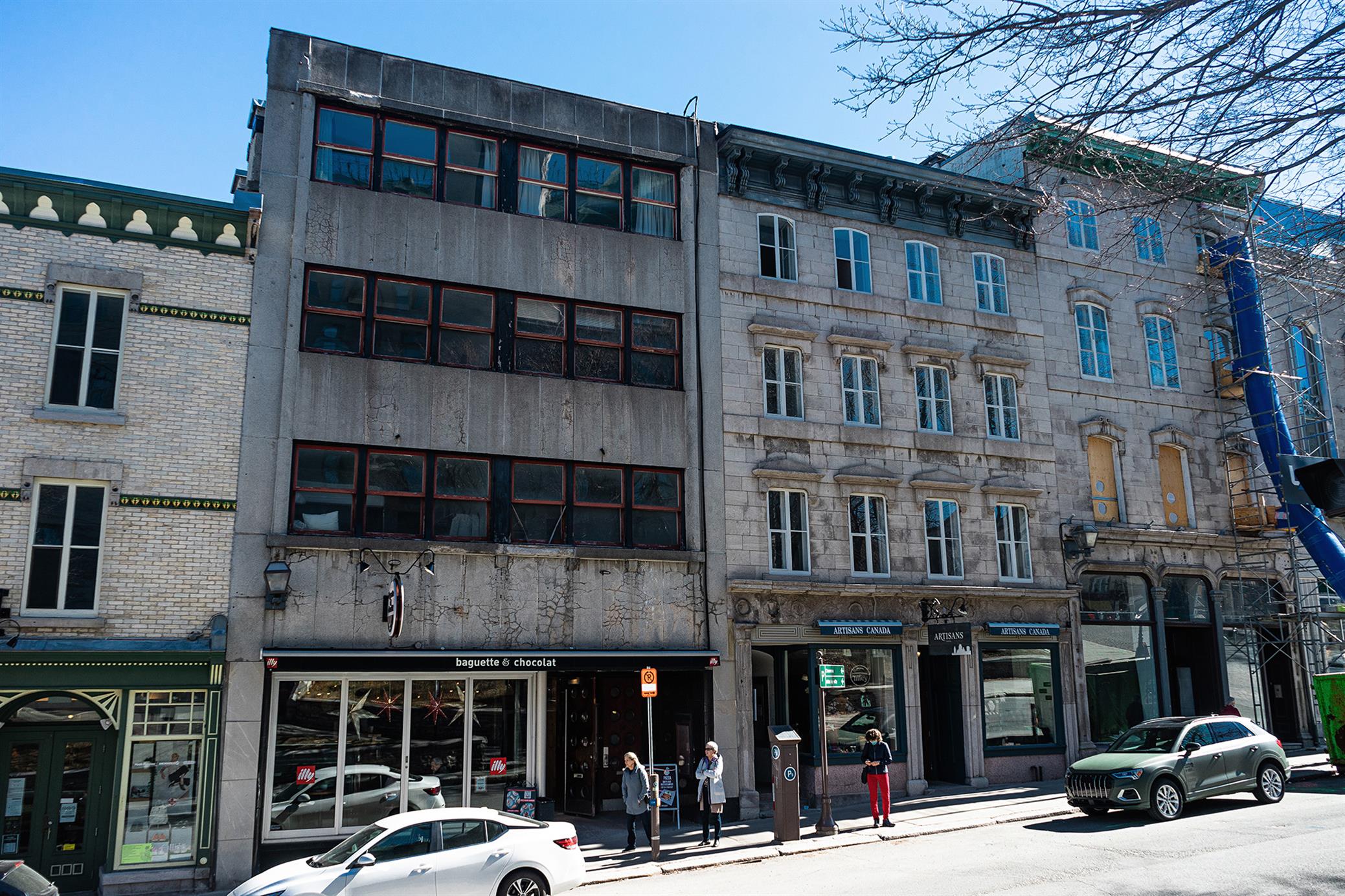
Property Taxes on Luxury Estates in Quebec: What the 2026 Reassessment Means for Buyers
Property taxes on high-value estates in Quebec are calculated on the municipal evaluation roll, which most Quebec municipalities update on a three-year cycle. In 2026, a significant number of municipalities — including those surrounding Quebec City and the greater Lévis area — are operating under recently updated rolls that reflect the sharp appreciation in luxury property values since 2021.
For buyers of estates valued between $1.5 million and $4 million, this means the annual property tax burden has increased materially in recent cycles. The general municipal tax rate in Quebec’s urban centers typically falls between 0.8% and 1.2% of the municipal evaluation. On a property carrying a $2.5 million assessed value, that translates to annual property taxes in the range of $20,000 to $30,000 — before school board levies, water taxes, or special assessments tied to local infrastructure projects.
Buyers should not assume that the previous owner’s tax bill reflects what they will owe. A sale at a price significantly above the municipal evaluation often triggers a re-evaluation request by the municipality at the next reassessment cycle. If you purchase at $3.2 million and the current evaluation is $2.1 million, expect an upward revision that adjusts your tax exposure accordingly.
The most accurate way to project future property tax obligations is to request the current tax account from the seller’s notary and cross-reference it against comparable properties in the same municipality that were recently reassessed. A real estate lawyer familiar with Quebec’s assessment dispute process — known as contestation de rôle — can also advise on whether a recent sale price is likely to pull the evaluation upward.
Heritage Property Maintenance: The Cost That Surprises Most Buyers
Heritage-designated properties in Quebec operate under a specific regulatory regime that governs what can be altered, how alterations must be done, and what materials must be used. In 2026, provincial and municipal authorities have tightened compliance expectations, particularly for properties in protected zones such as the historic districts of Quebec City and Vieux-Lévis.
This regulation is not merely bureaucratic. It is the reason these properties hold their value exceptionally well over time — scarcity and protection create a floor beneath the market. But it does mean that ordinary maintenance decisions become more complex and more expensive.
When a heritage estate requires roof work, window replacement, or masonry repair, the owner cannot simply hire any contractor or use any material. The work must often be approved in advance by the relevant cultural authority (Ministère de la Culture et des Communications), and it must be executed using period-appropriate techniques and materials. A traditional Québec slate roof costs approximately two to three times more to replace than a modern alternative. Repointing stone masonry on a heritage façade using lime mortar — the only acceptable material under heritage standards — runs considerably higher per square metre than standard repointing.
Owners of heritage estates should budget between 1.5% and 2.5% of the property’s market value annually for maintenance and restoration, with the higher end applying to properties that have deferred work or that carry significant original-era features. For a $2 million heritage estate, that means setting aside $30,000 to $50,000 per year — a number that surprises many buyers who were expecting something closer to the 1% rule applied to conventional residential properties.
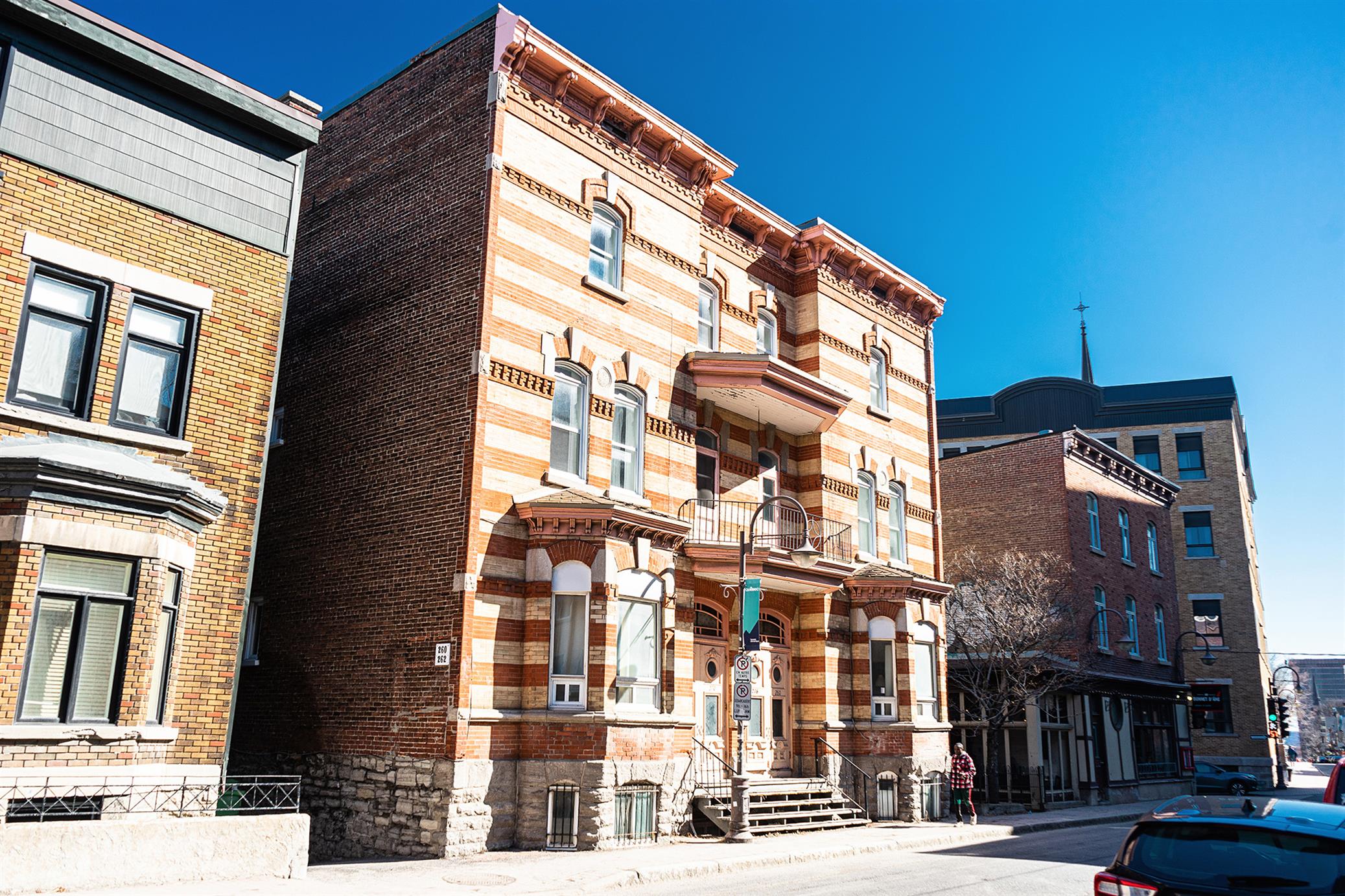
Insurance, Utilities, and Operating Overhead at the Estate Level
Luxury estate insurance in Quebec is a specialized product, and premiums have moved upward in 2026 following several years of elevated claims activity in the broader insurance industry. For a heritage estate with high replacement value, significant outbuildings, and historical contents, annual premiums routinely fall between $8,000 and $25,000 — and in some cases higher for properties with pools, guesthouses, or commercial-grade mechanical systems.
Standard homeowner’s insurance policies are not structured for estates of this scale. Buyers should work with a broker who specializes in high-value residential coverage to ensure that the policy covers:
- Full replacement cost at heritage-compliant restoration rates, not depreciated market value
- Liability coverage appropriate to the scale of the property and any hosted events
- Coverage for outbuildings, gates, irrigation systems, and any secondary structures
- Sewer backup, ground water, and flooding risks, which are increasingly relevant in Quebec’s evolving climate
Utility costs for large estates are another area where buyers frequently underestimate. A heritage property of 4,000 to 8,000 square feet that relies on original heating infrastructure — older forced-air systems, electric baseboard heaters common in older Quebec construction, or heritage boiler systems — will carry significantly higher energy costs than a comparable modern home. In 2026, with Hydro-Québec rates rising on higher consumption tiers, annual electricity bills for large estate homes frequently range from $6,000 to $18,000 depending on property size, insulation quality, and system efficiency.
Buyers who are purchasing estates with plans for modernization should factor in the energy upgrade costs during the acquisition phase, not afterward. A full mechanical system replacement — adding a geothermal heat pump, upgrading the electrical panel, installing smart controls — will often cost between $40,000 and $120,000 but can reduce ongoing utility costs by 40% to 60% over a ten-year horizon.
Grounds, Staff, and Seasonal Maintenance at Scale
Luxury estates in Quebec often include extensive grounds — formal gardens, wooded lots, private driveways, ponds, or terraces — all of which require professional seasonal maintenance. A property with 0.5 acres or more of cultivated grounds can expect landscape maintenance costs between $12,000 and $35,000 per year in the Quebec market, covering spring cleanup, lawn care, tree service, irrigation management, and fall preparation.
Snow removal for large private driveways and extensive walkways is a line item buyers from warmer climates frequently overlook. In the Quebec City region, where snowfall regularly exceeds 300 cm annually, professional snow clearing contracts for estate-scale properties run between $4,000 and $12,000 per winter season — and that figure does not include ice management, roof clearing, or equipment for interior courtyards.
Larger estates that include caretaker quarters, pools, tennis courts, or full household staff arrangements carry additional operating overhead that should be modeled separately. A full-time property caretaker in Quebec commands between $45,000 and $70,000 annually in 2026, plus mandatory employer contributions to CPP equivalents, RQAP, and CNESST.
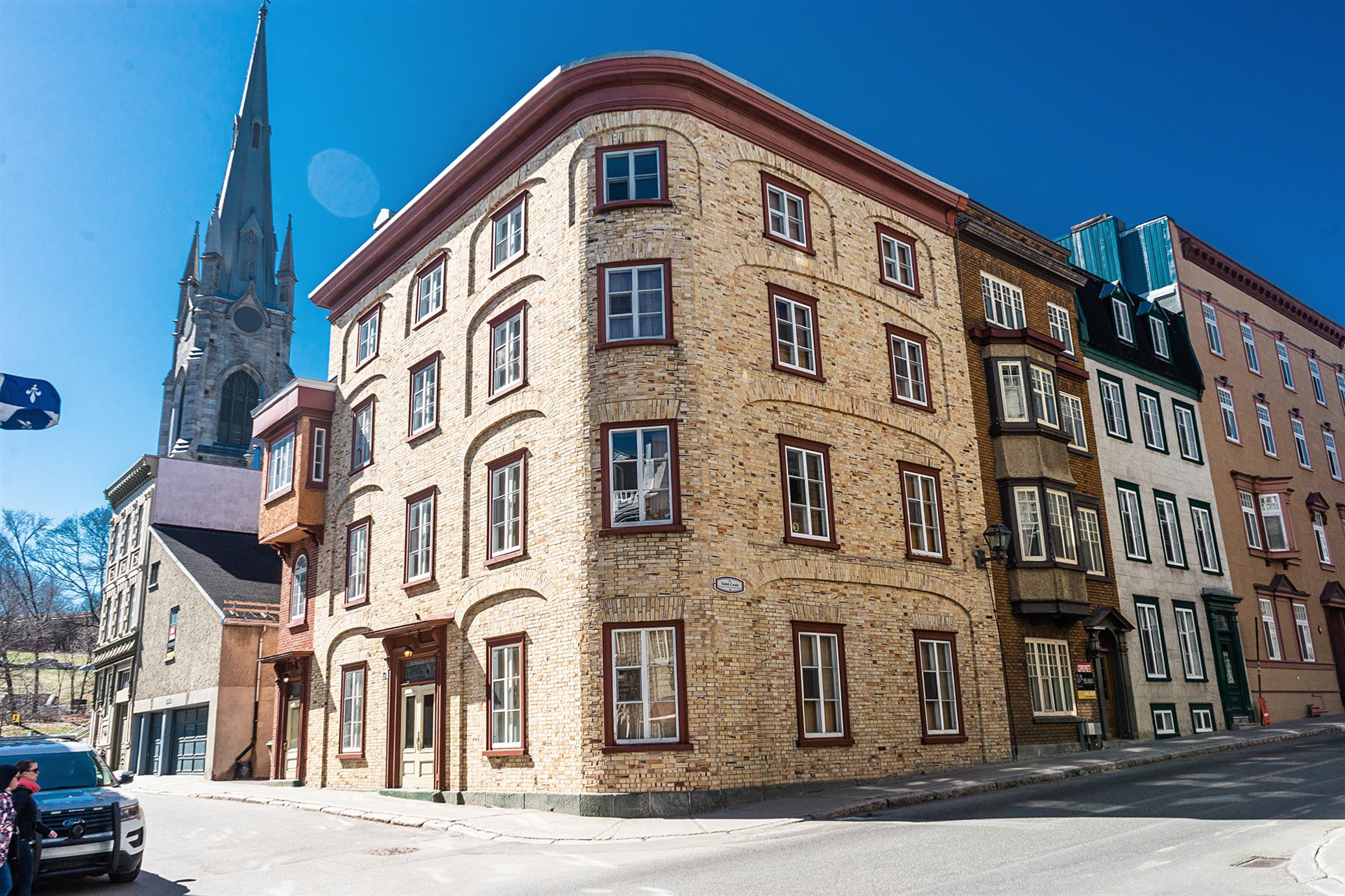
Legal, Notarial, and Administrative Carrying Costs
Estate ownership in Quebec involves a persistent layer of legal and administrative activity that residential buyers accustomed to standard single-family homes will find unfamiliar. Annual costs in this category vary widely by property, but they are real and should be anticipated.
Heritage designation compliance may require periodic filings with cultural authorities, particularly if the owner undertakes any modifications, even minor ones. Failure to obtain the required authorizations before work begins can result in orders to restore the property to its prior state — at the owner’s expense.
Boundary disputes, servitude issues, and shared-wall agreements (mitoyenneté) are more common on older Quebec properties than on modern subdivisions, and resolving them often requires notarial intervention and, in some cases, expert survey work. Buyers should commission a current certificate of location (certificat de localisation) before finalizing any estate purchase, and budget for ongoing legal advisory work — typically $2,000 to $6,000 per year — for more complex properties.
Succession planning considerations for high-value estate assets are also relevant from the moment of acquisition. Quebec’s estate law interacts with the value of hereditary property in specific ways, and owners of assets at this level typically work with a tax lawyer or estate planner to structure ownership correctly from the start. The cost of not doing so at acquisition can far exceed the cost of doing it properly.
How Experienced Estate Buyers Approach the Full Budget
The buyers who navigate luxury estate ownership most successfully in Quebec treat the annual carrying cost as a second purchase decision — not an afterthought. The standard framework used by experienced investors and owner-occupiers alike is to calculate the total cost of ownership as a percentage of the property’s market value, then stress-test that figure against realistic scenarios.
A well-prepared buyer entering the Quebec luxury estate market in 2026 should be comfortable with total annual carrying costs — taxes, insurance, maintenance, grounds, utilities, and administration — running between 3% and 5% of the property’s market value. On a $2.5 million estate, that is $75,000 to $125,000 per year before any discretionary spending on renovations or improvements.
That figure is not a reason to avoid this market. It is the entry cost for the depth of ownership experience, the stability of value appreciation, and the quality of built environment that Quebec’s finest estates represent. Frédéric Murray Estates works directly with buyers at this stage — before offers are written — to ensure that every number on the ledger is accounted for, not discovered after closing.
Serious buyers who want to understand the full ownership profile of a specific estate before committing are encouraged to reach out to the Frédéric Murray Estates team at 1-418-933-3884 or visit our office in Lévis. Twenty years of experience in this market has made one thing clear: the buyers who are best prepared are the ones who make the best decisions.

