
The Canadian estate market has entered a new chapter in 2026 where buyers are no longer choosing between character and performance. Heritage properties that have been thoughtfully upgraded with modern energy systems are now commanding premium attention from buyers across Quebec and beyond. This shift reflects broader changes in how Canadians define luxury real estate, and estate buyers who understand the trend are positioning themselves to make smarter long-term investments.
What Is Driving the Demand for Energy-Efficient Estates
Several forces are converging to make energy performance a top priority for estate buyers this year. Rising utility costs across Canadian provinces have made operational efficiency a financial concern, not just an environmental one. Buyers shopping for large estates, particularly properties with historical architecture in regions like Quebec City, are factoring in the long-term cost of heating, cooling, and maintaining expansive square footage.
Federal and provincial incentive programs introduced in late 2025 and early 2026 have also accelerated the trend. Programs offering tax credits and rebates for retrofitting older buildings with heat pumps, solar panels, and improved insulation are making heritage estate upgrades more accessible. Buyers recognize that properties already benefiting from these improvements carry both environmental and resale advantages.
According to industry professionals like those at Frédéric Murray Properties, heritage estate demand in Quebec has grown notably since buyers began weighing energy ratings alongside architectural value.
How to Evaluate Energy Performance in a Heritage Estate
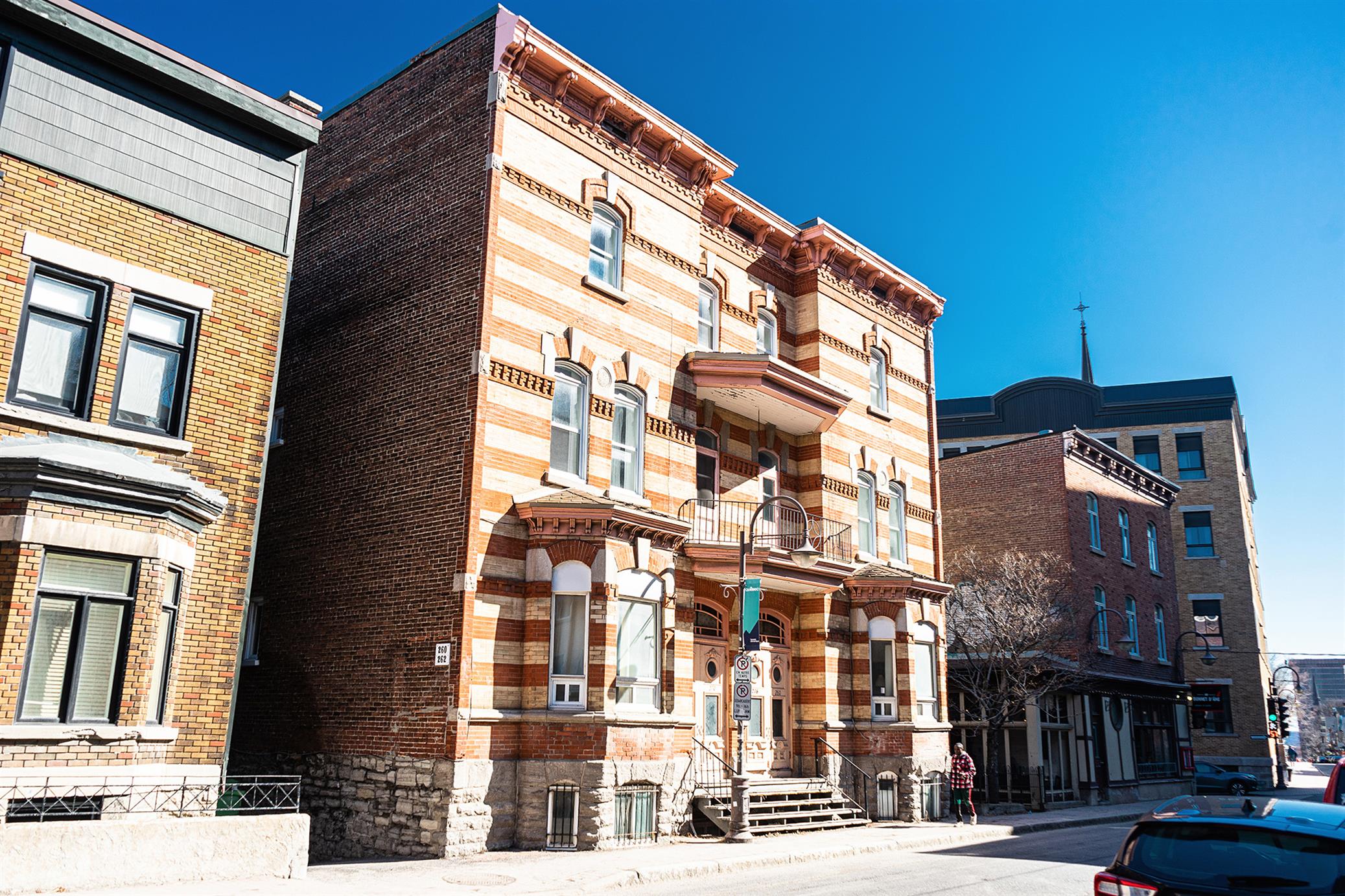
Not all energy upgrades are equal, and estate buyers in 2026 need to know what to look for during viewings and inspections. The most impactful improvements typically involve the building envelope, meaning insulation, windows, and roofing. A heritage property that retains its original stone facade but has been upgraded with high-performance interior insulation and triple-glazed windows will perform drastically better than one with only cosmetic renovations.
Heating systems are another major factor. Properties that have transitioned from oil-based or electric baseboard heating to geothermal or air-source heat pumps see significant reductions in annual energy costs. Buyers evaluating estates in the Quebec City region, for instance, can consult resources from firms like Frederic Murray Homes to understand what local upgrades are most common and most effective.
An EnerGuide home evaluation is an essential step before purchasing. This assessment provides a detailed energy rating and identifies areas where further improvements could be made. For estates, the evaluation also helps buyers understand whether existing upgrades were completed to code and whether they qualify for ongoing provincial incentives.
The Financial Case for Heritage Estates with Green Upgrades
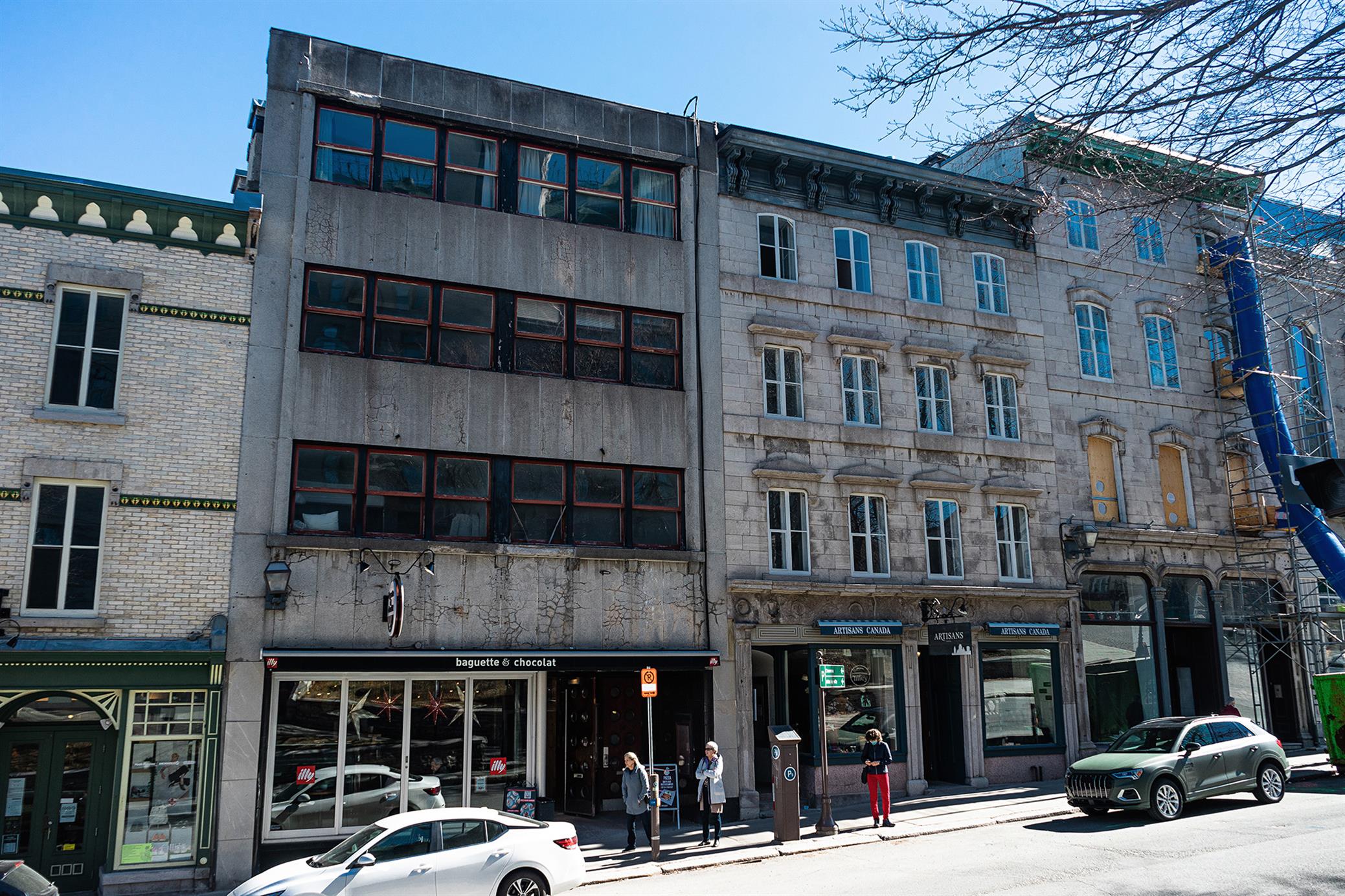
Beyond the monthly savings on utilities, energy-efficient heritage estates are proving to be stronger long-term investments. Appraisers in 2026 are increasingly factoring energy performance into property valuations, meaning a well-upgraded heritage estate can appraise higher than a comparable property without green improvements.
Insurance considerations are shifting as well. Some Canadian insurers have begun offering reduced premiums for properties with modern electrical systems, updated plumbing, and improved heating infrastructure, all common components of a heritage energy retrofit. For estate buyers, this translates into lower carrying costs over time.
Rental potential also improves with energy upgrades. Buyers considering estate properties for mixed personal and income use, such as those listed through Frédéric Murray Location or managed by Frédéric Murray Management, find that tenants are willing to pay premiums for units with lower utility burdens.
What to Prioritize When Shopping for Heritage Estates This Year
Estate buyers entering the 2026 market should build a clear checklist before touring properties. Start by requesting energy documentation from the seller, including any EnerGuide reports, receipts for retrofit work, and records of government rebate claims. These documents tell a much more complete story than a listing description alone.
Pay attention to window quality, insulation type, and heating system age. Properties that have undergone partial upgrades, such as new windows but old heating, may still require significant investment. The team at Murray Immeubles has noted that buyers who approach estate purchases with a full-picture energy assessment tend to negotiate more effectively and avoid costly surprises after closing.
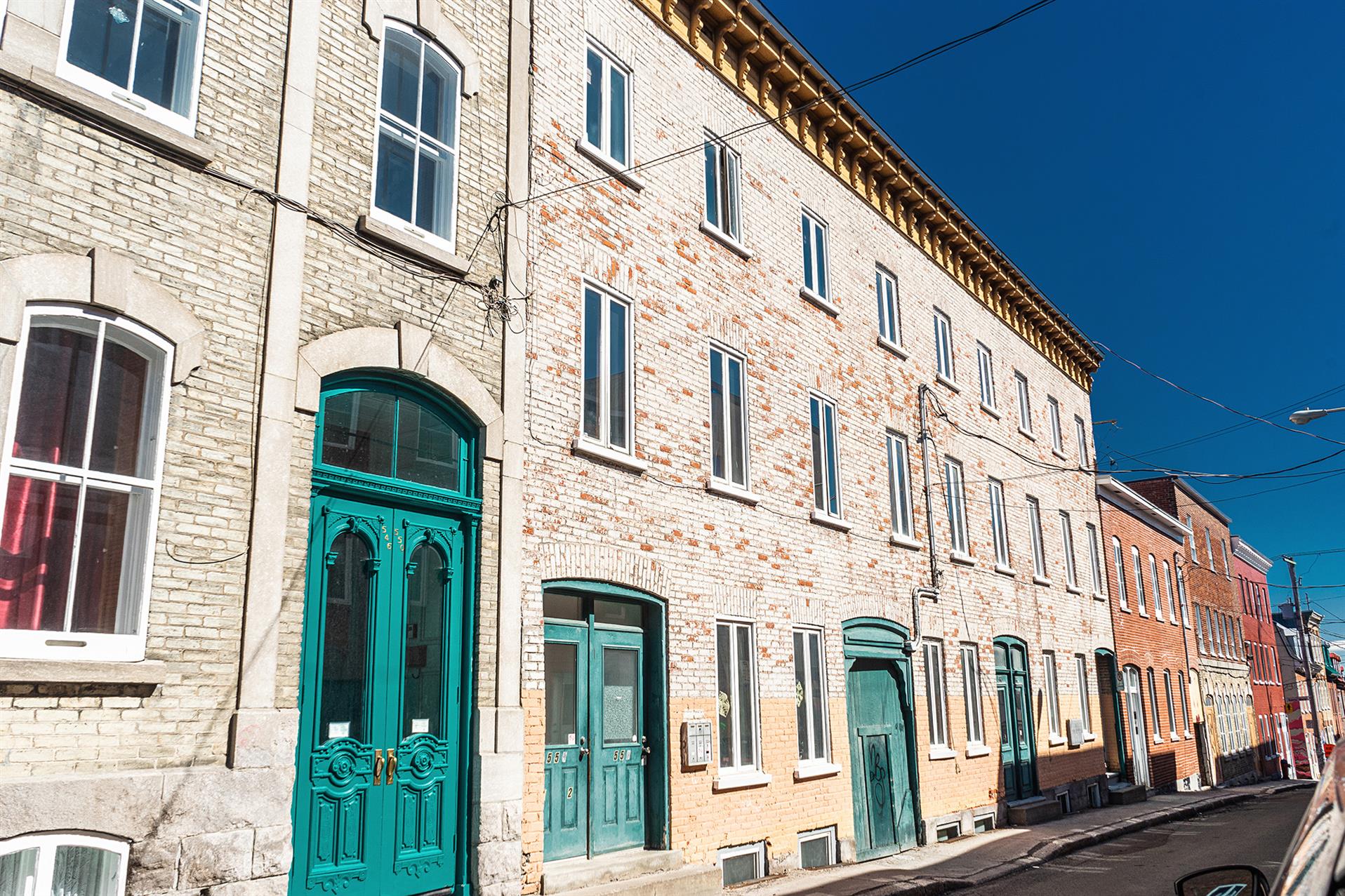
Consider working with a building inspector who specializes in heritage properties. Standard home inspections may miss issues specific to older construction, such as outdated wiring hidden behind original walls or foundation drainage problems common in pre-1950 builds.
Finally, think about the neighborhood trajectory. Heritage districts in cities like Quebec City, Lévis, and Trois-Rivières are seeing increased investment in infrastructure, walkability, and cultural programming. An energy-efficient estate in a revitalizing heritage neighborhood combines the best of character, performance, and long-term appreciation.
For buyers researching multi-unit estate options, platforms like Murray Immeuble, Frédéric Murray Immeubles, and Frederic Murray Rentals offer additional perspectives on how the market is evolving for both single-family estates and income-generating properties across the province.

