
The luxury estate features that matter most in 2026 are no longer the ones that simply look impressive in a listing photo. Across Quebec’s prestige market — from the protected streets of Vieux-Québec to the wooded acreages of the Laurentides — serious buyers are evaluating estates by a sharper, more demanding standard. After twenty years guiding clients through Quebec’s high end, we’ve watched the definition of a “luxury estate” quietly shift from square footage and finishes toward land, privacy, architectural integrity, and the systems that make a property genuinely livable for decades. If you’re weighing a prestige purchase this year, knowing which features hold real value — and which are expensive distractions — is the difference between buying well and overpaying.
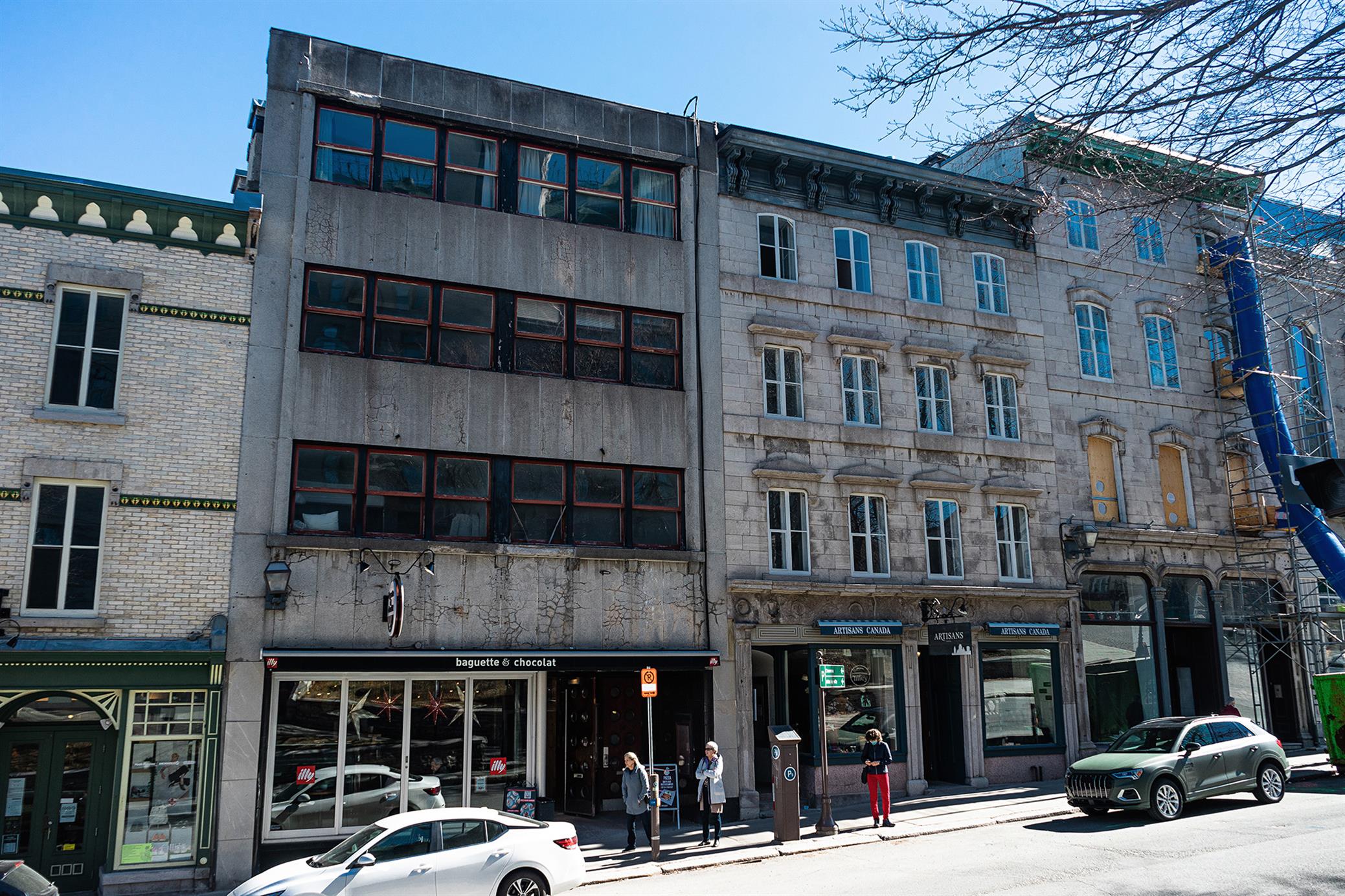
What Actually Separates a Luxury Estate From a Large House
A luxury estate is defined by its setting and self-sufficiency, not just its size. A large house sits on a lot; an estate commands a piece of land, with privacy, grounds, and often outbuildings that function as part of the property’s identity.
The distinction matters because it drives value differently. Two homes can share the same interior square footage, yet the one positioned on protected acreage with mature landscaping, a controlled approach, and unobstructed sightlines will trade at a meaningful premium — and defend that premium far better through market cycles. When buyers describe a property as “prestige,” they’re usually responding to land, scale, and a sense of arrival long before they reach the front door.
For this reason, evaluate the parcel first and the floor plan second. Finishes can be redone. The proportions of the land, the quality of the setting, and the way the residence sits within it cannot.
Land, Privacy, and Setting — The Features Money Can’t Add Later
Privacy is the single most irreplaceable luxury estate feature, because it can almost never be manufactured after purchase. You can renovate a kitchen; you cannot move a neighbour’s house or buy back a sightline you didn’t secure.
When assessing the grounds, prioritize the elements that are fixed and finite:
- Frontage and natural buffers — mature treelines, water frontage, or topography that screens the residence from roads and neighbours.
- Orientation and light — how the principal rooms and outdoor living spaces capture southern exposure through Quebec’s long winters.
- Approach and access — a gated or tree-lined drive that creates separation and arrival, plus reliable year-round access in snow conditions.
- Usable acreage — flat, buildable, or recreational land versus acreage that only looks good on a survey.
These features rarely show their full weight in a photo, which is precisely why they’re undervalued by casual buyers and prized by experienced ones. A property’s setting is the part of the purchase you are least able to change, so it deserves the most scrutiny before you commit.
Architectural Integrity and Heritage Character
In Quebec, architectural integrity carries unusual value because so much of the province’s prestige inventory is historic. A century stone residence in a recognized heritage district draws on scarcity that new construction simply cannot replicate.
That character comes with rules. Properties within Quebec’s protected heritage zones are subject to conservation requirements that govern facades, materials, windows, and exterior modifications. These constraints can frustrate buyers who want a free hand to renovate — but they’re also what preserves the streetscape and protects long-term value. Before falling for a heritage estate, confirm its designation status and understand what you can and cannot alter; the provincial cultural heritage register and your broker can clarify exactly which protections apply.
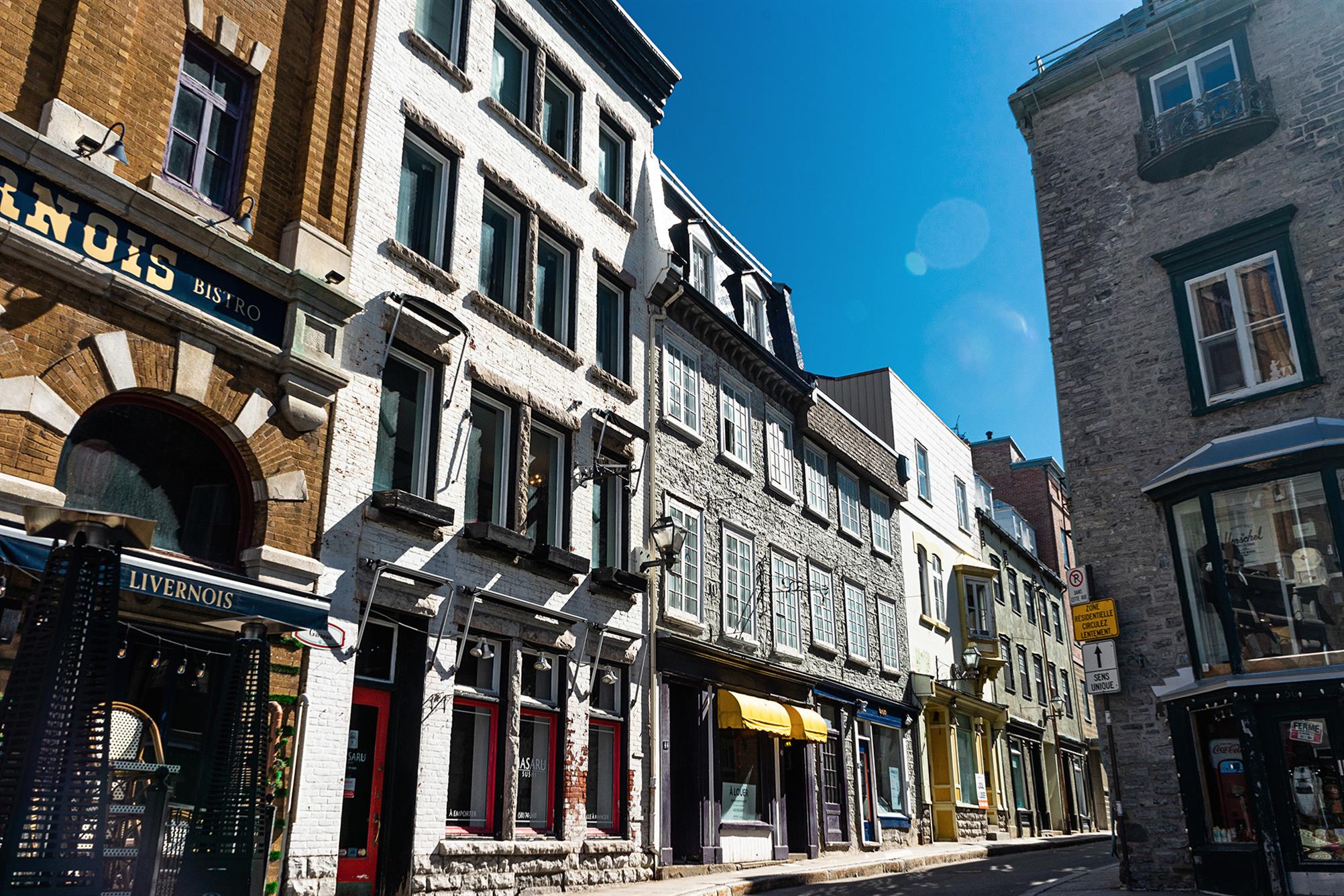
The estates that command the strongest premiums tend to honour their original architecture rather than fight it. Restoration that respects period detail while quietly integrating modern comfort reads as authentic to buyers, and authenticity is the one quality a builder cannot fabricate at any price.
The Modern Systems Serious Buyers Now Expect in 2026
In 2026, prestige buyers treat building systems as a core luxury feature, not an afterthought. The expectation has moved well beyond aesthetics toward performance, resilience, and running cost.
The systems that increasingly separate a competitive estate from a dated one include:
- Energy efficiency and heating — geothermal, heat-pump, or hybrid systems that tame the cost of heating large interiors through a Quebec winter.
- Climate resilience — backup power, robust drainage, and envelope upgrades that protect against ice storms, freeze-thaw cycles, and heavier seasonal weather.
- Integrated smart-home infrastructure — security, lighting, climate, and access control that operate reliably across a large footprint.
- EV readiness — proper electrical capacity and charging for multiple vehicles, now a standard expectation rather than a novelty.
Buyers should ask for the property’s energy profile and recent system upgrades the same way they’d ask for a financial statement. An estate with elegant interiors but tired mechanical systems isn’t a bargain — it’s a renovation budget waiting to be spent. The hidden expense of bringing systems up to standard is one many owners underestimate, and it pays to understand those numbers before closing rather than after.
Wellness and Lifestyle Amenities Driving Premiums
Lifestyle amenities add the most value when they reflect how owners actually live, not how a showroom imagines they do. In 2026, the strongest-performing features are the ones that turn an estate into a private retreat.
The amenities holding their appeal this year cluster around wellness and self-contained living:
- Spa and wellness spaces — indoor pools, saunas, and dedicated fitness or treatment rooms.
- Wine cellars and entertaining kitchens built for hosting at scale.
- Guest quarters or in-law suites that give multi-generational families genuine separation.
- Four-season outdoor living — covered terraces, outdoor kitchens, and heated spaces that extend usability past the warm months.
A useful test: an amenity earns its premium when it would be difficult or disruptive to add later. A wine cellar carved into original stone or a spa wing integrated into the floor plan adds lasting value; a feature bolted on as an afterthought rarely recovers its cost.
Outbuildings, Acreage Use, and Income Potential
Outbuildings are an underrated luxury estate feature because they expand what a property can do. A coach house, restored barn, studio, or equestrian facility can serve as guest space, a home office, a creative studio, or a genuine source of income.
This flexibility matters more in 2026 than it did a decade ago, as buyers increasingly want estates that accommodate remote work, extended family, and occasional rental use without compromising privacy. A well-located secondary dwelling can offset carrying costs while adding optionality — though any rental or short-term use should be checked against local municipal rules before you bank on it.
When you tour an estate, look at every structure on the parcel as part of the value, not as a maintenance liability to discount. The properties that prove most rewarding over time are usually the ones whose outbuildings serve a real purpose rather than simply sitting on the survey.
How to Prioritize Features Against Resale
The smartest way to weigh luxury estate features is to rank them by how well they defend value at resale. Not every impressive feature protects your investment equally.
A practical hierarchy for 2026 buyers:
- Irreplaceable land and setting — privacy, frontage, and orientation that can never be added later.
- Architectural integrity — authentic character and sound structure that scarcity keeps in demand.
- Modern, efficient systems — the performance upgrades buyers now expect by default.
- Integrated lifestyle amenities — wellness, entertaining, and guest spaces built into the property.
- Functional outbuildings — flexible structures that add use and optional income.
Highly personal or trend-driven features sit below all of these, because the next buyer may not share your taste. When two estates compete for your budget, favour the one that’s stronger on the top of this list, even if the other shows better on the day. Setting and integrity reward patience; cosmetics reward whoever renovates last.
For buyers ready to go deeper, our guide on everything serious buyers need to know before purchasing an estate in 2026 walks through the full process, and our breakdown of the hidden costs of owning a luxury estate in Quebec shows how these features translate into real carrying numbers.

